

8 Make Ahead Appetizer Ideas for Easy Hosting
The guests will arrive soon. The table is almost ready, the wine is chilling, and the serving boards still need to look intentional rather than hurried. You want to greet everyone at the door, not spend the first hour turning your kitchen into a short-order station.
The best make ahead appetizer ideas aren't just recipes. They're coordinated plans with a clear preparation window, a sensible storage method, and one finishing moment reserved for garnishes, warming, or arranging. That approach keeps textures in good shape and lets the host stay part of the gathering.
This guide organizes eight distinct appetizers by timing, from preparations that benefit from several days of rest to freezer-friendly bites baked just before serving. You'll also find practical presentation ideas for wine-friendly entertaining, including browse make ahead appetizers, hemstitch cocktail napkins, polished boards, and giftable bottle details from Jolitee.
Appetizers have served a social role for centuries. One historical account traces documented examples to Athens in the early third century B.C., while the English term emerged in the United States and England in the 1860s as a counterpart to the French hors d'oeuvre. By the 1890s, stylish suppers commonly included both, making advance preparation part of a long entertaining tradition. Read the historical account of appetizers.
1. Marinated Cheese and Charcuterie Bites
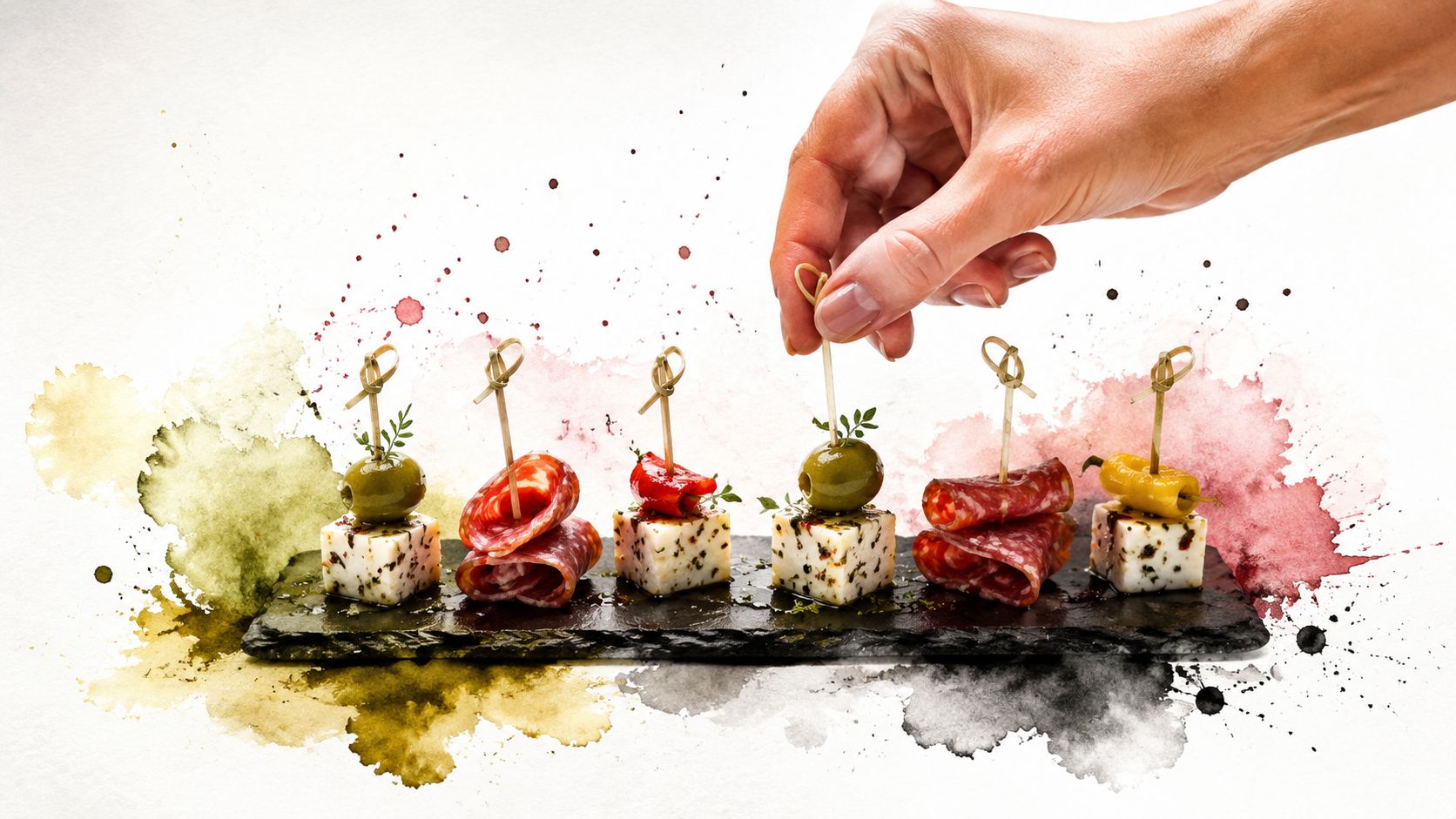
Prepare this board several days before guests arrive, then spend only a few minutes arranging it. Marinated cheeses, cured meats, olives, and pickled vegetables develop more cohesive flavor after 24–48 hours in the refrigerator, making them well suited to a relaxed wine gathering.
Build an Italian combination with marinated artichokes, mozzarella, and salami. Feta, Castelvetrano olives, and roasted red peppers create a Mediterranean direction, while manchego, chorizo, and marinated mushrooms bring a Spanish feel that pairs naturally with wine.
Use good olive oil, fresh herbs, and quality vinegar in the marinade. Store cheeses and wetter ingredients in separate containers. This prevents moisture from softening textures and keeps the flavors distinct until service.
Make the board look composed
Take the cheese and marinated ingredients from the refrigerator 15–20 minutes before serving. Arrange them in small clusters, grouping complementary flavors while leaving space for crackers, cocktail picks, and a bowl for olives or used picks. Contrasting colors, shapes, and textures give the board a composed appearance, as explained in this guide to making a charcuterie board.
Practical rule: Keep crisp crackers away from oil-based marinades until guests are ready to eat.
Place hemstitch cocktail napkins beside the board instead of beneath each bite. Their refined finish suits wine tasting, and the fabric helps guests handle skewers and small pieces of cheese comfortably.
For a gift-forward setup, slip a bottle into a reusable canvas wine gift bag before guests arrive. It becomes part of the table styling and gives the host a useful keepsake to take home. For a different pairing direction, explore these bourbon food pairings.
2. Spinach and Artichoke Dip with Toasted Bread Components
Spinach and artichoke dip suits a busy hosting schedule because its base can be mixed, covered, and refrigerated unbaked for up to 48 hours. Bake it shortly before guests arrive for the best texture. If the oven is occupied, bake it earlier and reheat it gently just before serving.
Cream cheese, spinach, artichokes, and Parmesan provide the familiar foundation. Roasted garlic, sun-dried tomatoes, or fresh herbs add more definition. Greek yogurt reduces the dip's richness, while lemon juice or a small splash of white wine brings needed brightness.
Protect the crisp components
Toast crostini, breadsticks, or sliced baguette on the morning of the event. Cool them fully before storing them in airtight containers. Keep bread and crudités separate from the dip until serving so the bread stays crisp and the vegetables remain firm.
Choose a shallow baking dish rather than a deep bowl. It gives guests easier access and creates a broad, inviting surface for grazing. For a buffet, replenish with a fresh portion instead of allowing one dish to sit out indefinitely.
For more polished party inspiration, browse Jolitee's easy party snack recipes. Pair the warm dip with Deplete Hemstitch Napkins, sized for cocktails, appetizers, and desserts. Their neat finish supports a wine-friendly presentation without making the setup feel formal.
Serving note: Keep the dip warm and inviting, with bread crisp enough to support a generous scoop.
Food safety requires the same attention as texture. Perishable food should not remain at room temperature for more than 2 hours, and cooked or purchased food should be refrigerated or frozen within 2 hours. Review the buffet food-safety guidance.
3. Pâté and Rillettes with Crackers and Crudités
Pâté and rillettes reward the host who plans early. These French-inspired spreads can be made 3–5 days ahead, giving their flavors time to mature in the refrigerator. That longer horizon makes them useful for dinner parties where the menu includes several dishes competing for attention.
A classic pâté with pistachios and brandy creates a luxurious centerpiece. Rustic pork rillettes with sage and thyme feel more relaxed, while a vegetarian pâté made with lentils, mushrooms, and walnuts gives plant-based guests something substantial and elegant.
Store the spread in a shallow serving vessel. A clarified butter seal can protect the surface of a meat-based preparation, while airtight covering protects the refrigerator from odor transfer and keeps the texture from drying.
Build a relaxed French-style presentation
Take the pâté or rillettes from the refrigerator 20–30 minutes before serving so it becomes spreadable. Arrange premium crackers, cornichons, radishes, celery, and fresh herbs around it. The contrast between rich spread and crisp vegetables keeps the platter from feeling heavy.
This appetizer works best when guests can assemble their own bites. Put a small knife beside the vessel, then add a few folded napkins near the board rather than forcing everyone to reach across the food.
A bottle prepared in one of Jolitee's wine gift bags fits naturally into this presentation. Choose a witty design for a casual supper or an elegant canvas style for a hostess gift. The packaging makes the wine feel considered before it's even opened.
Don't serve crackers directly on top of the spread or place vegetables against it for hours. Moisture will travel, and the board will lose the clean contrast that makes this appetizer look special.
4. Deviled Eggs with Flavor Variations
Deviled eggs are one of the most useful make-ahead appetizer ideas because nearly every part of the process can happen before the party. Hard-boil the eggs 3 days ahead and keep them in their shells until you're ready to assemble. Prepare the filling up to 2 days ahead, then pipe it into the whites no more than 24 hours before serving.
The classic version uses Dijon mustard, mayonnaise, and paprika. For a livelier tray, try sriracha and lime with cilantro, smoked salmon and dill with capers, curry with mango chutney and coconut, or Buffalo seasoning with blue cheese and celery leaf.
Keep the finish fresh
Cover assembled eggs with parchment paper before sealing the container. This helps prevent drying and limits odor transfer in the refrigerator. Add delicate garnishes shortly before guests arrive, especially herbs, crispy shallots, salmon, or anything that can wilt.
A dedicated egg platter is useful, but a broad serving board lined with small hemstitch cocktail napkins gives the presentation a more relaxed cocktail-party feel. Place each egg with enough space for guests to lift it without disturbing the others.
The finishing moment matters: Pipe the filling ahead, but save paprika, herbs, capers, and other delicate toppings for the last pass.
Deviled eggs are best served cold, and they need a cool place on the buffet. Don't leave the full tray out longer than the safe holding window. Set out a smaller portion and keep the remainder refrigerated until needed.
For a gifting occasion, add a small bottle of sparkling wine in a reusable bag beside the platter. The combination feels festive without requiring elaborate décor, and the bag becomes part of the gift rather than disposable wrapping.
5. Smoked Salmon or Shrimp Canapés with Prepared Components
Open-faced canapés look intricate, but their success depends on separating the components. Toast bread rounds in the morning and store them in an airtight container away from moisture. Make the cream cheese base up to 48 hours ahead, then keep seafood, spreads, and garnishes in separate containers.
Classic smoked salmon with dill cream cheese and capers is reliable and refined. Shrimp with Old Bay aioli and lemon zest offers a warmer, more savory profile, while cucumber ribbons, crème fraîche, and smoked salmon create a lighter composition.
Assemble close enough to stay crisp
Build the canapés 3–4 hours before serving. Cover them loosely with plastic wrap, not tightly pressed against the toppings, and refrigerate until guests arrive. Keep herbs, capers, lemon zest, and crispy shallots aside until the final garnish.
A slate board or pale ceramic platter gives the salmon and shrimp visual contrast. Arrange the bites in lines or small groups, then place a few empty spaces around the edges so the board doesn't look overcrowded when guests begin serving themselves.
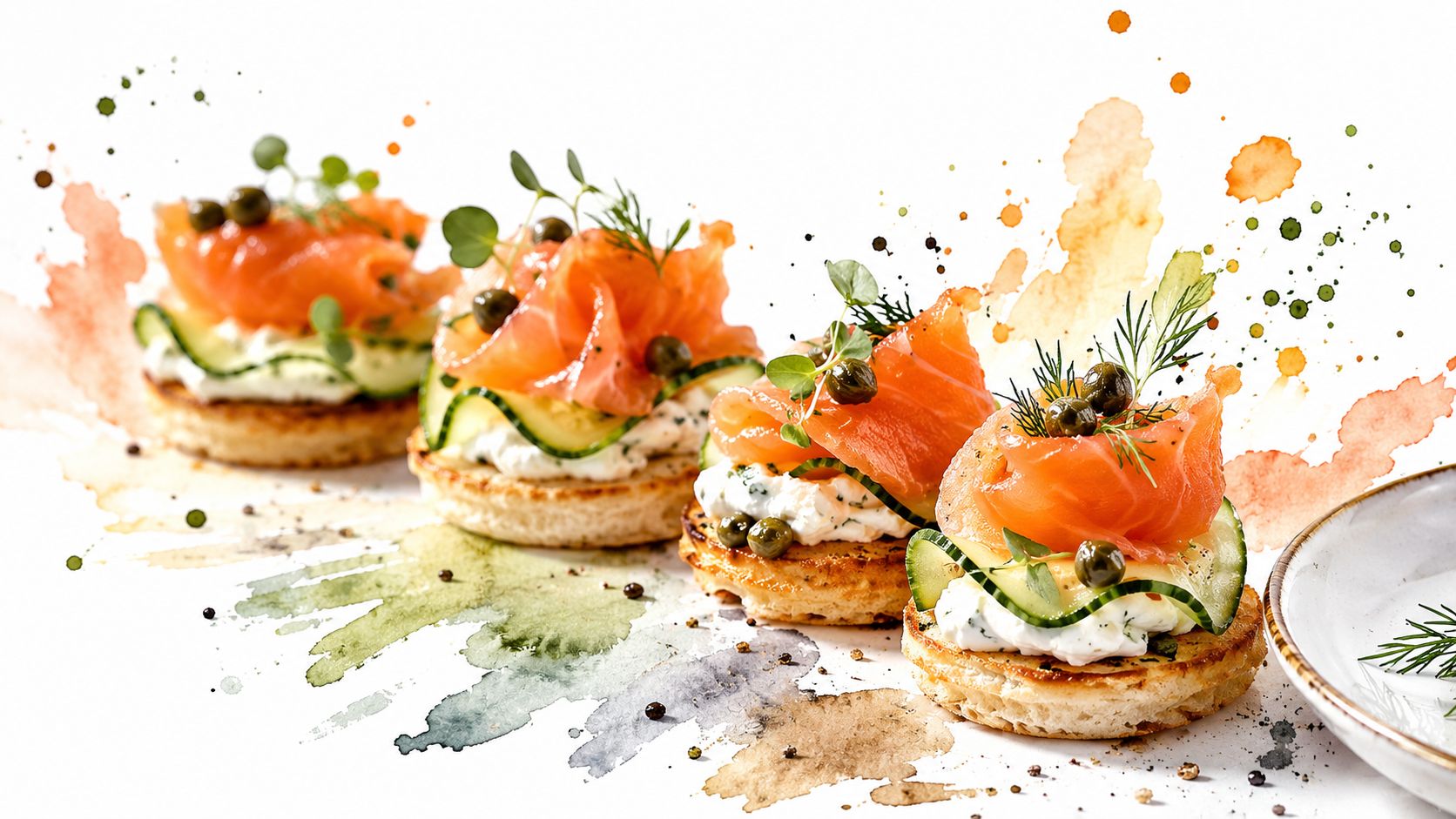
The main trade-off is moisture. A generous layer of spread can soften the toast, especially under cucumber or seafood, so use enough to anchor the topping without creating a thick wet layer.
Best practice: Put the garnishes in a small covered dish beside the assembled tray, then finish each canapé just before unveiling it.
A wine gift bag adds a graceful bar detail here, especially when the canapé tray is part of a housewarming, engagement, or dinner-party gift. The look is polished but still practical, which is exactly what most hosts need.
6. Baked Brie with Fig Jam, Nuts, and Rosemary
Baked Brie gives a table one warm centerpiece without demanding constant attention. Assemble the wheel on a parchment-lined baking sheet 6–8 hours ahead, layering fig jam, nuts, and rosemary evenly across the surface. Refrigerate it until the oven is free.
Bake at 350°F for 12–15 minutes, until the cheese is beginning to ooze. The timing is short enough to finish shortly before guests arrive, but the result feels generous and theatrical when carried to the table.
Choose toppings that hold their shape
Fig jam with toasted pecans and rosemary is the classic combination. Apple and cinnamon with walnuts and thyme creates a cooler-weather profile, while hot pepper jam and candied ginger add contrast. Honey with lavender and sliced almonds feels delicate beside sparkling wine.
Keep crackers and bread rounds arranged on a separate platter. Once the Brie is baked, transfer it carefully to a serving board and surround it with the accompaniments. A small cheese knife lets guests control their portions without tearing into the rind.
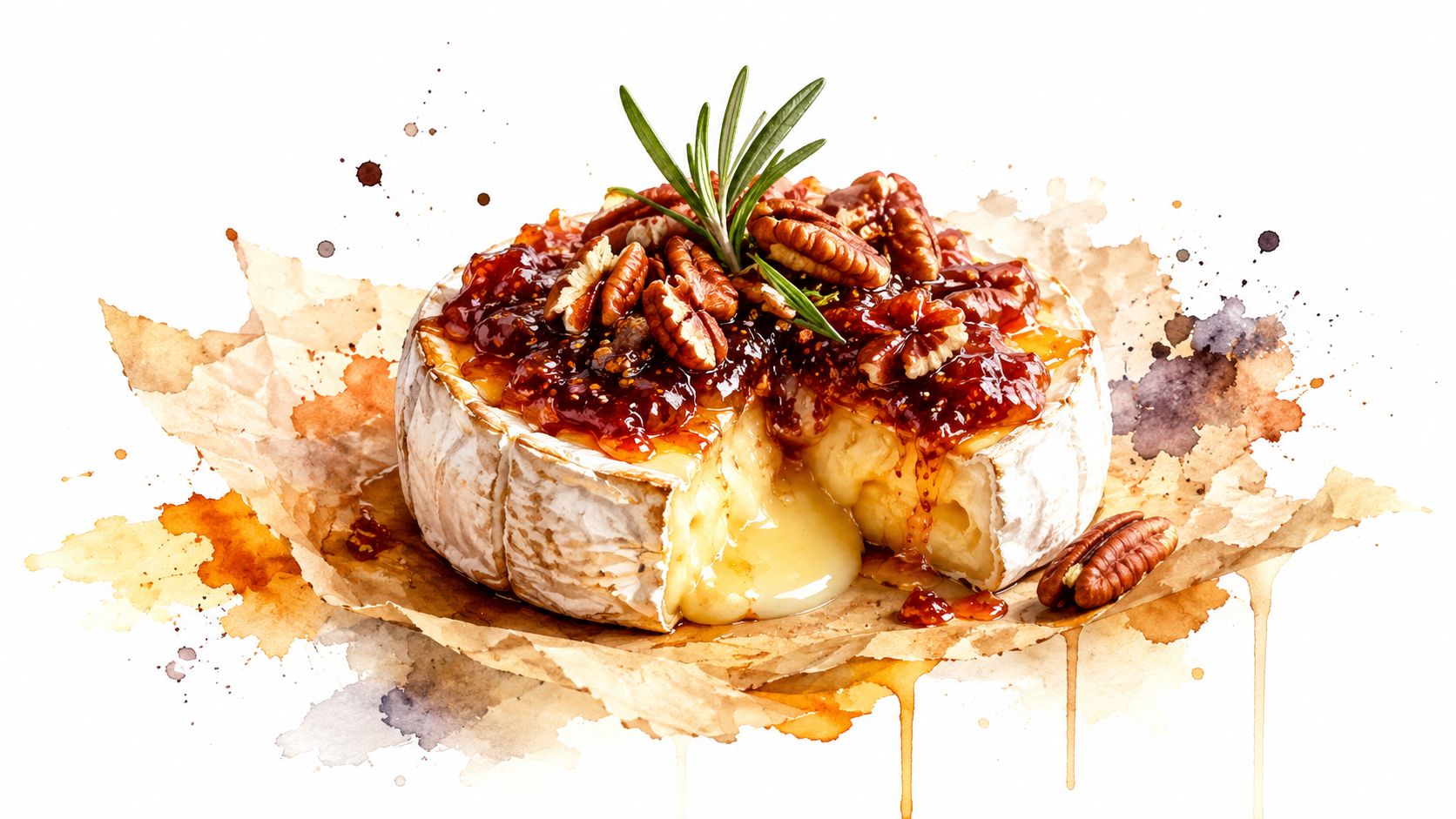
This appetizer doesn't benefit from being baked far in advance. The cheese can become firm and the topping can lose its fresh aroma. Prepare the components early, but save the oven time for the final stretch.
A warm appetizer needs a landing place. Clear the board, set out napkins, and place the crackers before the Brie comes out of the oven.
A reusable canvas bottle bag beside the Brie turns the cheese course into a complete wine-friendly welcome. Choose a bottle that complements the jam and nuts, then let the bag carry the gift-forward detail.
7. Chilled Seafood Salad Cups or Tartlets
Chilled seafood cups bring freshness to a spread that might otherwise lean toward pastry and cheese. Prepare the filling 24 hours ahead so the flavors can settle, but wait to assemble the cups until 2–3 hours before serving. The separation keeps phyllo, wonton, or tortilla shells from becoming soft.
Shrimp salad with avocado, lime, and cilantro works well in crisp wonton cups. Crab salad with celery and Old Bay fits phyllo shells, while citrusy ceviche can be spooned into tortilla cups. For a lighter presentation, use cucumber boats with tuna, sesame, and ginger.
Keep shells dry and fillings bright
Bake or toast the cups in the morning and cool them completely before storage. Keep them in airtight containers with parchment between layers. Prepare herbs, microgreens, citrus zest, and other garnishes separately, then add them immediately before the tray goes out.
Avocado needs careful handling because its color changes quickly. Add it close to assembly, use citrus for brightness, and avoid overfilling the shells. A smaller portion is easier to eat while standing and leaves room for a clean garnish.
For a recipe-led variation, try Jolitee's shrimp avocado ceviche appetizer. Serve the cups on a pale platter with hemstitch napkins for cocktail service nearby.
The refrigerated filling and crisp shell should meet only shortly before service. This is not the best choice if you need to assemble everything several days ahead, but it's excellent for a host who wants a fresh, elegant bite with a defined afternoon prep window.
8. Savory Hand Pies or Empanadas with Multiple Fillings
Savory hand pies are the strongest freezer-friendly option in this collection. Make the dough up to 3 days ahead, then fill the pastries, freeze them unbaked on a parchment-lined sheet, and transfer them to airtight containers once firm.
Bake the empanadas directly from frozen at 400°F for 20–25 minutes, until golden. That gives you a warm, crisp appetizer with little last-minute shaping or assembly.
Use two or three distinct fillings to make the platter visually interesting. Seasoned beef with olives creates a Latin-style empanada, chorizo with manchego leans Spanish, and roasted vegetables with feta gives vegetarian guests a substantial option. Cornish-style pasties with beef and root vegetables offer a heartier direction.
Freeze for quality, not convenience alone
Seal the edges firmly and label each container by filling. Freeze the pastries in a single layer first, because stacking them too early can deform the dough and make the surfaces stick. Bake one variety at a time if the fillings have different finishing needs.
Serve the pies on a broad board with small bowls of sauces or chutneys. Easy no-roll pie crust tips can help simplify the pastry work when you're making several fillings.
Plan for variety, but label it. Guests shouldn't have to guess whether a golden pastry contains meat, cheese, or vegetables.
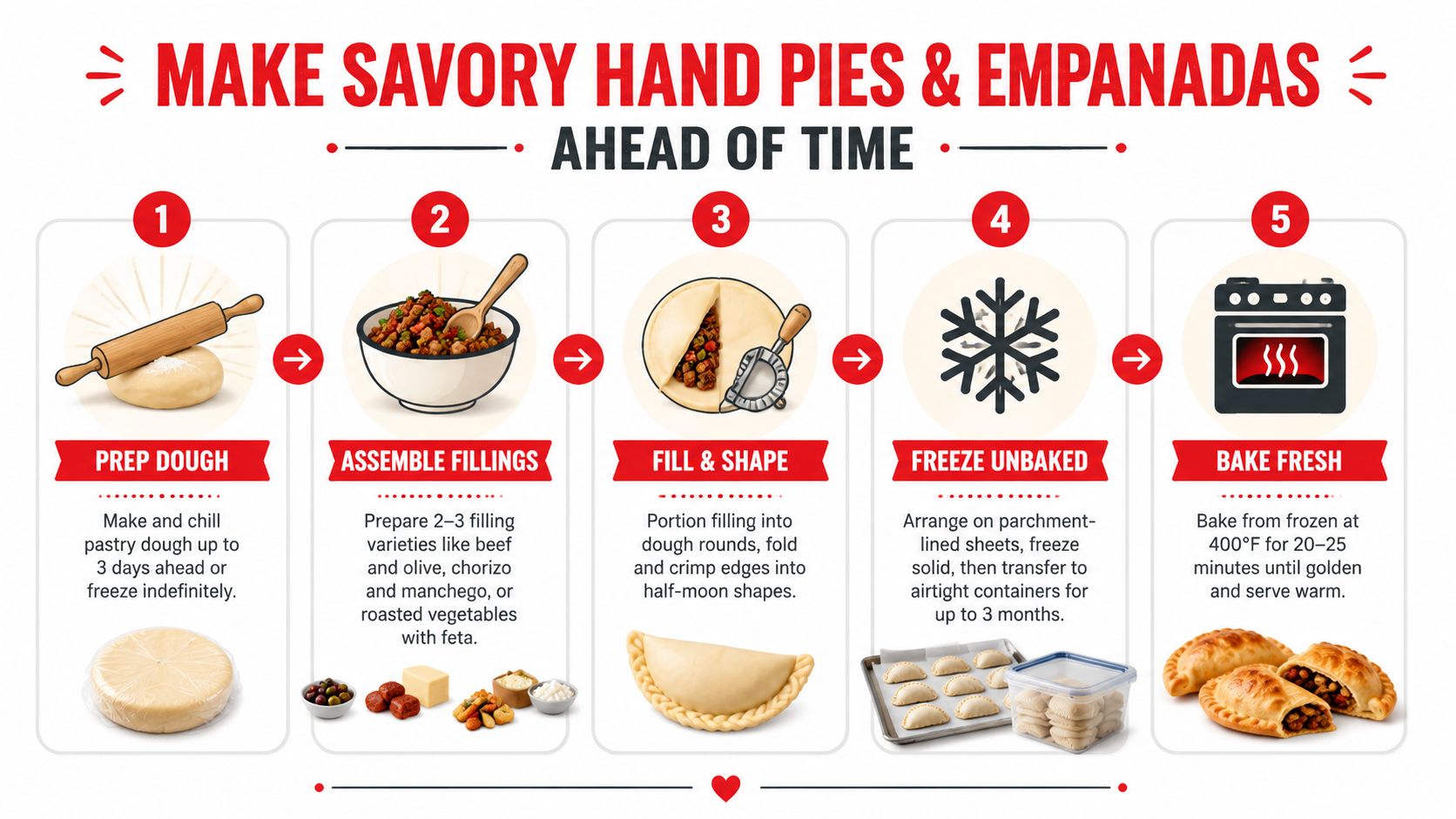
The hand pie preparation video offers a visual reference for shaping and storing the pastries. Set warm empanadas beside small hemstitch cocktail napkins so guests can pick them up comfortably.
Make-Ahead Appetizers: 8-Item Comparison
| Item | 🔄 Implementation Complexity | ⚡ Resource & Time Efficiency | ⭐ Expected Outcome Quality | 📊 Ideal Use Cases | 💡 Key Tips |
|---|---|---|---|---|---|
| Marinated Cheese & Charcuterie Bites | Low–Moderate: simple assembly, 24–48h marination | High: make-ahead, minimal day‑of work; needs refrigeration & airtight storage | Very high: deepened flavors and striking presentation | Wine tastings, cocktail hours, grazing boards | Keep cheeses separate from wet marinades; remove 15–20 min before serving |
| Spinach & Artichoke Dip with Toasted Bread Components | Low: mix and bake; can be prebaked or assembled unbaked | Moderate: bake/reheat required; toast bread day‑of to retain crispness | High: beloved crowd-pleaser that reheats well | Casual parties, buffets, crowd‑management at events | Prepare unbaked up to 48h; toast bread morning of; add lemon for brightness |
| Pâté and Rillettes with Crackers & Crudités | High: advanced techniques, 3–5 day aging | Moderate–High: requires quality ingredients, careful storage | Excellent: complex, developed flavors and refined impression | Intimate dinners, formal entertaining, wine-paired events | Age 3–5 days; seal with clarified butter; bring to spreadable temp 20–30 min |
| Deviled Eggs with Flavor Variations | Low: basic technique but precision on egg cooking | Very high: inexpensive, highly scalable; components make‑ahead friendly | High: versatile, reliable crowd‑pleaser | Cocktail hours, brunches, mixed dietary gatherings | Boil eggs days ahead; prepare filling up to 48h; garnish just before serving |
| Smoked Salmon or Shrimp Canapés with Prepared Components | Low–Moderate: component prep; assemble 3–4h before serving | Moderate: toasted bases and premium toppings require care | Very high: elegant, restaurant-quality appearance | Upscale receptions, cocktail hours, wine pairings | Toast bread day‑of; keep toppings separate; assemble a few hours prior |
| Baked Brie with Fig Jam, Nuts, and Rosemary | Low: simple assembly, short bake (12–15 min) before serving | High: assemble hours ahead; quick final bake to serve warm | High: warm, communal centerpiece that encourages grazing | Holiday parties, intimate gatherings, cocktail hours | Assemble 6–8h ahead; bake at 350°F 12–15 min; serve immediately |
| Chilled Seafood Salad Cups or Tartlets | Moderate: filling marinates 24h; cups baked/toasted ahead | Moderate–High: refrigeration and quality seafood required | High: light, refreshing, sophisticated starter | Warm‑weather events, elegant lunches, light starters | Prep filling 24h ahead; bake cups morning of; assemble 2–3h before serving |
| Savory Hand Pies or Empanadas with Multiple Fillings | Moderate–High: dough work, filling prep, freezing workflow | Very efficient long‑term: freeze unbaked for weeks; bake from frozen | High: warm, substantial, crowd‑pleasing when baked fresh | Casual/festive gatherings, make‑ahead catering, buffets | Freeze unbaked on sheets then store; bake from frozen at ~400°F until golden |
Set the Table, Then Join the Party
The easiest way to use these make ahead appetizer ideas is to build a menu around different preparation horizons. Choose one item that improves over several days, such as pâté, rillettes, or marinated cheese. Add one chilled or assembled option, such as seafood cups, deviled eggs, or smoked salmon canapés. Finish with one warm appetizer that goes into the oven shortly before guests arrive.
That mix gives the table variety without giving the host three last-minute cooking projects. It also creates a natural rhythm, with some food ready when the first guest walks in and another warm element appearing later.
A practical hosting sequence
Several days before, prepare the pâté or rillettes and make the pastry dough if hand pies are on the menu. The day before, marinate the cheese, mix the dip base, boil the eggs, and prepare the cream cheese or seafood components.
On the event day, toast bread and shells in the morning. Assemble the cold bites during the afternoon, keep crisp components separate, and label every container with its contents and intended serving time.
Reserve the final minutes for the details guests notice most:
- Finish garnishes: Add herbs, citrus zest, capers, microgreens, and other delicate toppings shortly before serving.
- Warm selectively: Bake Brie, hand pies, or dip close to arrival rather than reheating every dish at once.
- Stage the boards: Put out knives, serving spoons, cocktail picks, and small bowls before carrying in the food.
- Protect the cold items: Keep perishable foods refrigerated until the table is ready, and follow the previously noted room-temperature holding guidance.
Portion planning should match the role of the appetizers. For an open house or drop-in during the first two hours, one planning guide recommends 6–8 appetizer servings per person, with fewer needed when food will precede dinner. See the open-house appetizer planning guide.
When appetizers are the main food for a gathering lasting several hours, another guide recommends 8–12 pieces per person. For a lighter pre-dinner cocktail hour, it gives 3–5 pieces per person. Compare appetizer portion guidance for different event styles.
For a spread that combines dips, stationary bites, and passed pieces, a buffet reference suggests 2–3 tablespoons of dip per person, 2–3 ounces of stationary appetizers per person, and 4–6 passed appetizers per person per hour. Review the catering portion guide.
Shop the Look
Jolitee's entertaining details make the food feel finished without competing with it. Start with Deplete Hemstitch Napkins for a refined cocktail-hour accent. They work beneath deviled eggs, beside baked Brie, or folded near a seafood platter.
For wine gifting, choose reusable canvas wine gift bags with playful, seasonal, destination-inspired, or elegant artwork. A bottle in a thoughtful bag can serve as a hostess gift, a bar-cart detail, or a take-home gesture for a special guest.
Complete the arrangement with Jolitee entertaining accessories and gifts. The collection supports the practical side of hosting while adding the cheerful, gift-ready character that makes a table feel personal.
Jolitee's Eats & Sips party snack recipes offer another source of approachable ideas, while the Jolitee charcuterie board guide can help refine the board itself. Together, the food and the presentation create an entertaining style that feels generous but manageable.
A good host doesn't need every bite to be finished at the same moment. The better plan is to prepare dishes according to their strengths, protect crisp textures, keep cold foods properly chilled, and make the final presentation feel deliberate. Once the boards are set and the warm items are in place, step away from the kitchen and join your guests.
Jolitee offers hemstitch cocktail napkins, reusable canvas wine gift bags, and entertaining accessories that bring thoughtful detail to make-ahead appetizer spreads. Browse the collections for hosting pieces and gift-ready touches that make entertaining at home feel effortless.
Visit Jolitee to find polished napkins, distinctive bottle packaging, and practical entertaining gifts for your next gathering. Choose the details that will make your appetizer table welcoming before the first guest arrives.