

Unforgettable Wine Tasting Party Ideas
Guests arrive to a table set with polished stems, a few well-chosen bottles, and small bites that already hint at the evening's theme. The room feels considered, not fussy. That balance is what makes a wine tasting party work so well at home. It gives the night a clear point of view while still feeling relaxed enough for real conversation.
The difference between an average tasting and one people talk about later usually comes down to structure. Good hosts choose a focused format, pour with restraint, and match each wine with food, decor, and serving pieces that support the mood. That is the aim of this guide. These eight wine tasting party ideas go past generic themes and into the details that make planning easier, from pairing concepts to table styling and finishing touches such as Jolitee canvas wine bags and hemstitch napkins.
Glassware matters, too, especially if you plan to compare styles side by side. Thoughtful shapes help guests notice aroma, texture, and contrast more clearly, and ABC Hire crystal glassware options offer a useful reference for choosing glasses that suit the wines you're serving.
A strong tasting does not need a huge budget or a sommelier script. It needs a smart lineup, a pace that keeps palates fresh, and a setting that makes guests feel well hosted from the first pour to the last bite.
1. Regional Wine Tasting Passport Experience
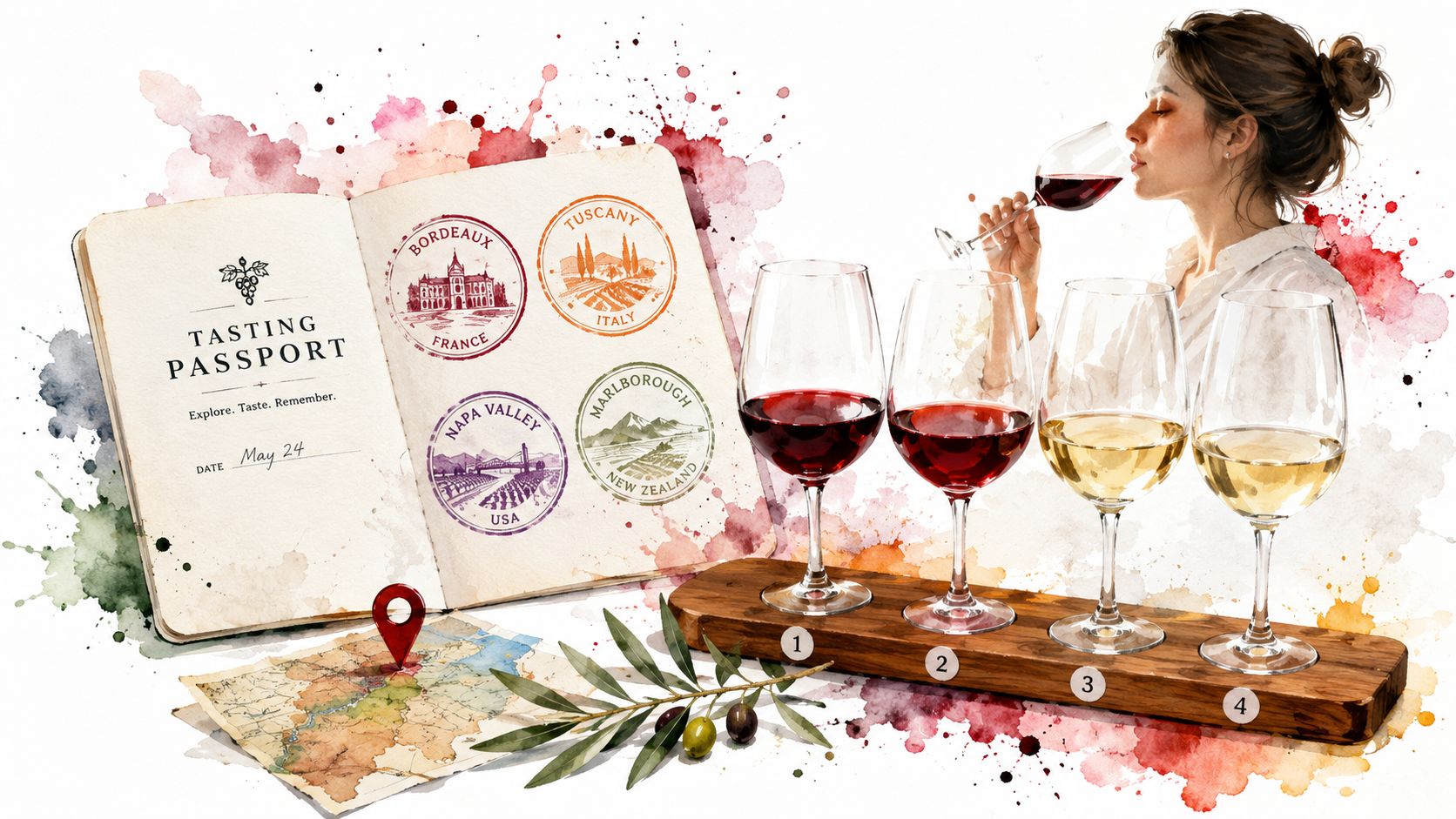
Guests settle in, open a small passport card, and realize the night has a clear point of view. One pour takes them to Tuscany, the next to Sonoma, then on to Marlborough or Mendoza. That sense of movement gives the evening shape, and it helps even casual wine drinkers feel confident joining the conversation.
A regional tasting works best when the edit is tight. I like four wines for this format. Five can work if the pours stay modest and the food is paced well. Beyond that, the differences start to blur, especially for guests who are tasting seriously rather than sipping casually.
How to Make the Passport Format Feel Special
Build each stop like a miniature scene. Print a folded tasting passport with one panel per region, including space for aroma notes, texture, and a favorite food match. Then give each wine a visual cue that feels refined rather than theatrical. Olive branches for Italy, a linen runner for France, small ceramic bowls for Spain, or a clean cluster of citrus for coastal whites.
Keep the table easy to read. Group each bottle with its map card, one bite, and one decor detail. That restraint is what makes the setup feel polished.
For pairings, choose foods that say something clear about place and style. If you want a smart planning reference for the cheese side of the menu, Jolitee's wine and cheese pairing guide for hosts is a useful tool while you build the board.
Practical rule: Pour from light to full. Crisp whites first, then rosé, then lighter reds, then fuller reds.
This format rewards hosts who care about flow. Guests always know where they are in the tasting, what they are eating with each wine, and why the details on the table belong there. It feels curated without becoming stiff.
What to Serve
- For Italy stations: Soft cheeses, marinated olives, rosemary crackers
- For France stations: Triple-cream cheese, baguette slices, cornichons
- For New World stations: Charcuterie, roasted nuts, hard cheeses
The trade-off is obvious. More regions sound exciting, but too many stops turn the night into a blur of labels and half-finished bites. A better passport party gives each region enough room to register. One strong pour, one or two thoughtful pairings, and a few well-chosen styling details are plenty.
2. Wine and Artisan Cheese Pairing Night
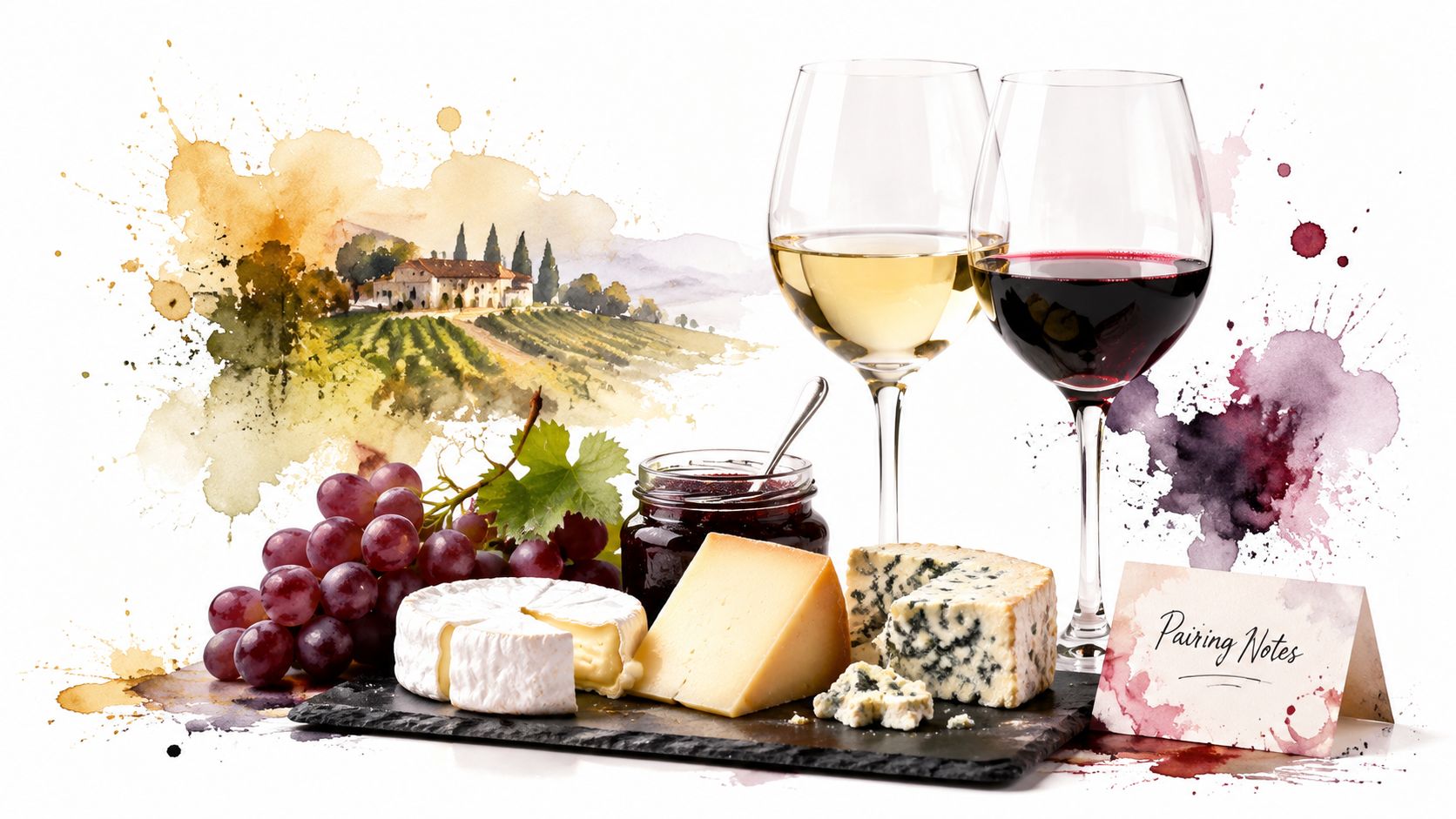
A wine and cheese night works beautifully when guests walk in to a table that looks abundant, but still feels edited. A few well-chosen cheeses, the right wines, and a clean serving plan create the kind of evening people remember because it felt easy.
Cheese also solves a real hosting problem. It gives the tasting structure, keeps pours from getting ahead of the food, and invites conversation without turning the night into a formal lesson.
Pairing That Feels Intentional
Build the board around contrast and progression. Start with one fresh or bloomy cheese for crisp whites, add one soft-ripened option for richer whites or sparkling wine, then finish with an aged cheese for reds. A blue or washed-rind cheese can be excellent, but it changes the whole night. Include it only if your group enjoys stronger aromas and saltier finishes.
Set each cheese beside its matching wine and add a small card with one sentence of guidance. “Goat cheese with Sauvignon Blanc for brightness.” “Aged Comté with Pinot Noir for earth and nuttiness.” That light touch keeps the experience polished without making guests feel tested. For a more detailed planning reference, Jolitee's wine and cheese pairing guide for hosts helps you match styles with confidence.
Presentation matters here. Use wood, stone, or ceramic boards rather than crowding everything onto one oversized platter. Add fruit in small clusters, keep the honey or preserves to one bowl, and give every cheese its own knife. Guests will be impressed, and the table stays functional.
Let cheese sit out before serving. Once it loses that refrigerator chill, the texture softens and the wine tastes more balanced beside it.
Analysts behind the 2026 State of the US Wine Industry report from SVB note how strongly wineries depend on direct tasting experiences and club relationships. That same principle works at home. People enjoy wine more when the tasting has context, pacing, and a little guidance.
A Better Board Formula
- Choose one fresh cheese: Chèvre, ricotta, or burrata
- Choose one bloomy cheese: Brie or Camembert
- Choose one firm aged cheese: Manchego, Comté, Gouda, or aged cheddar
- Choose one bold option: Blue, Taleggio, or another washed-rind cheese, if the group will appreciate it
Keep the accompaniments disciplined. Good crackers, sliced baguette, grapes, pears, Marcona almonds, and a little honey are usually enough. Too many sweet extras push the board toward snack table territory and blur the tasting. The best version of this party gives each pairing room to speak.
3. Blind Wine Tasting Challenge Party
Eight glasses on the table, every bottle covered, and the room gets sharper within minutes. Guests stop scanning labels for clues and start paying attention to acidity, texture, fruit, oak, and finish. It is one of the easiest ways to make a wine night feel polished without making it feel stiff.
I like this format for mixed groups because everyone starts on equal footing. Newer drinkers can trust their own palate. Confident collectors usually get humbled, which is good for the mood.
Set Up the Challenge So Guests Want to Play
Cover each bottle fully and label it with a number that is easy to spot across the table. Give every guest a tasting card with space for appearance, aroma, palate, guess, and personal ranking. Keep one clean master list for yourself. The reveal is half the evening, and a sloppy key ruins the payoff.
If you want the table to feel intentional rather than improvised, build a compact snack spread that supports the wines without stealing focus. A few salted nuts, olives, sliced baguette, and one or two cured meats are usually enough. For a sharper formula, Jolitee's guide on how to make a charcuterie board for wine tasting is a useful reference.
Researchers in the Cambridge study on tasting, peers, and experts found that tasting wine can increase how much guests value it and how confidently they rate it. Hosts see the same pattern at home. Once people taste before they know the label, they commit to their own judgment.
A Structure That Keeps the Energy High
- Pour four to six wines, not ten. Palates fade fast, and the best blind tastings stay focused.
- Use clear contrasts. A zesty Sauvignon Blanc beside an oaked Chardonnay gives guests something concrete to notice.
- Include one sleeper bottle. An affordable wine that drinks above its price almost always sparks the best conversation.
- Keep pours modest. Two ounces is plenty when guests are comparing closely.
- Offer a small prize. The reward can be simple. Bragging rights, first pick of leftovers, or a favorite bottle to take home all work.
The trade-off is straightforward. The tighter the lineup, the more thoughtful the discussion. The bigger the lineup, the more the night turns into a guessing game with blurry notes and tired palates.
Keep the scoring light. Guests should laugh at a wild guess, defend an underdog favorite, and leave with one or two new wines they would buy. That is what makes this party format memorable. It gives you the fun of a challenge and the substance of a real tasting, with enough structure to feel special and enough ease to host again.
4. Wine and Small Plates Progressive Dinner Party
Guests arrive to a glass of something chilled, then drift from the kitchen to the dining table to the bar cart, picking up a new pour and one smart bite at each stop. The night has momentum. It feels polished without forcing everyone into a formal seated dinner.
A progressive format suits hosts who care about pacing. Each wine gets a proper moment, and each plate stays small enough to sharpen attention instead of dull it. The trade-off is setup. You do more work before guests arrive, but far less during the party because the structure carries the evening.
Build the Flow Around the Bottles
Start with the wines, then write the menu around them. That sequence keeps the pairings precise. If you build from the food first, the wine often becomes an afterthought.
Four stops usually hits the sweet spot. More than that can feel fussy in a home setting, especially if guests are balancing plates and conversation. For grazing elements between the more composed bites, Jolitee's guide on how to make a charcuterie board for entertaining is a useful place to start.
Set each station with a clear purpose. A console can handle the opening white and a cold bite. The island works well for a warmer second course. A dining table gives the red course a little more presence. Then finish somewhere intimate, such as a bar cart or coffee table, with the final pour and a last savory or sweet note.
Keep the styling consistent. Candles, neutral linens, good stemware, and one repeating accent color are enough to make separate stations feel connected.
The most common mistake is front-loading the meal. Keep the first stop bright and restrained so the later wines still have room to develop.
A Four-Stop Menu That Feels Considered
- First stop: Sparkling wine or crisp Sauvignon Blanc with Marcona almonds, fennel salad, or a citrus-topped crostini
- Second stop: Chardonnay or dry rosé with crab cakes, ricotta tartines, or spring vegetables with herbs
- Third stop: Pinot Noir or Grenache with mushrooms, lamb skewers, or a composed charcuterie plate
- Final stop: Cabernet, Syrah, or a dessert wine with an aged cheese, a dark chocolate bite, or a fig-forward tart
Space matters here. In a smaller home, keep the route tight and use one glass per guest if the wines progress logically from lighter to fuller styles. In a larger space, give each station a little more visual identity and let guests linger. Either way, the goal stays the same. The evening should move gracefully, and every plate should earn its place.
5. Seasonal Wine Celebration and Barrel Release Party
Guests walk in from a chilly evening, coats still on their arms, and the room already tells them what kind of night this will be. The wines suit the season. The table has a point of view. The food feels chosen, not assembled at the last minute.
That is why this format works so well. A seasonal tasting gives the party a natural reason to happen now, and a barrel release angle gives it shape. You do not need access to a winery or true barrel samples to host it convincingly. You need a tight seasonal edit, a few smart pairing choices, and styling that feels collected rather than themed.
Build the Night Around a Seasonal Release Story
Choose one clear frame. Spring suits newly released rosé, bright whites, and anything with herbs, citrus, or delicate shellfish. Summer works well with sparkling wines, chilled reds, tomatoes, stone fruit, and grilled skewers. Fall calls for harvest bottles, Pinot Noir, Syrah, or Cabernet alongside squash, mushrooms, and roast chicken. Winter can handle richer Chardonnay, oak-aged reds, aged cheese, and darker, candlelit styling.
The barrel release idea matters because it gives guests something to follow. Pour a current release next to an older vintage if you have one. If not, compare two wines from the same producer or region and talk about freshness, structure, and how the season changes what feels good in the glass.
I like this format for repeat hosts because the framework stays useful all year, while the table, menu, and mood shift each time.
A Seasonal Blueprint That Feels Finished
- Spring: Rosé and Sauvignon Blanc with poached shrimp, goat cheese tartines, radishes, and herbs. Use pale linens, loose florals, and crisp hemstitch napkins for a clean table that still feels soft.
- Summer: Sparkling wine, Albariño, or chilled Gamay with grilled prawns, melon and prosciutto, and corn blinis. Add citrus bowls, woven trays, and canvas wine bags for gifting bottles or setting out take-home favors.
- Fall: Pinot Noir, Grenache, or Merlot with mushroom crostini, roasted grapes, Comté, and small slices of pork tenderloin. Bring in pears, fig tones, wood boards, and candlelight with a little depth.
- Winter: Oaked Chardonnay, Syrah, or Cabernet with baked brie, short rib sliders, spiced nuts, and dark chocolate. Use deeper linens, evergreen cuttings, polished glassware, and warmer metallic accents.
Skip heavy winery clichés. Real barrels, burlap, and grapevine props usually read better in a tasting room than in a home. Seasonal ingredients and restrained decor do more work, and they photograph better too.
One practical note matters here. Keep the menu at appetizer or small-plate scale unless you have seated dining planned. A barrel release party should feel abundant, but guests still need room to taste, compare, and go back to the wines.
6. Wine and Wellness Pairing Night
The sweet spot hits about twenty minutes in. Glasses are poured, the room has settled, and guests realize they can enjoy the night without committing to a heavy meal or a heavy-handed tasting format. That is what makes a wine and wellness pairing night so effective for a mixed group.
Set the tone around balance, not abstinence. Guests respond better to a table that feels considered and generous, with lower-alcohol wines, a thoughtful alcohol-free pour, and food that keeps the palate awake instead of weighed down.
Build a Menu That Keeps Everyone Fresh
Serve bright, clean small plates. Good options include crudités with whipped feta, marinated white beans, citrus-dressed fennel, herbed grain salads, olives, seeded crackers, and slim toast points with avocado or ricotta. Pour sparkling water into proper glassware, and offer chilled herbal tea or a non-alcoholic aperitif with the same attention you give the wine.
This style of hosting works because it asks less of the kitchen and more of the edit. A wellness-themed tasting should feel polished, not sparse. Three wines and one zero-proof pairing is usually enough. Beyond that, the evening starts to lose its calm rhythm.
Analysts at Wise Guy Reports on the virtual wine tasting market describe growing interest in tasting formats that use lighter structure and easier hosting models. At home, that translates well to self-guided tasting cards, pre-plated bites, and pacing that leaves room for conversation.
Serve water with the same care as wine. A clear carafe with citrus or mint keeps the table beautiful and helps guests pace themselves naturally.
Details That Make the Night Feel Finished
- Keep tasting notes short: Focus on texture, freshness, and farming style instead of dense wine language
- Include one alcohol-free pairing: A good bitter spritz or botanical sparkling option makes the table feel complete
- Style the space with restraint: Linen, greenery, ceramic serving pieces, and uncluttered platters suit the mood better than themed props
- Send guests home with something useful: A bottle wrapped in one of Jolitee's reusable wine gift bags fits the spirit of the evening without feeling fussy
If you want the night to feel elegant rather than worthy, watch the pacing. Reset platters before they look picked over, keep pours modest, and leave breathing room between wines. The same hosting discipline behind crafting an amazing dinner party applies here too. Guests remember how the evening felt just as much as what was in the glass.
7. Wine Tasting Dinner Party with Wine-Infused Desserts
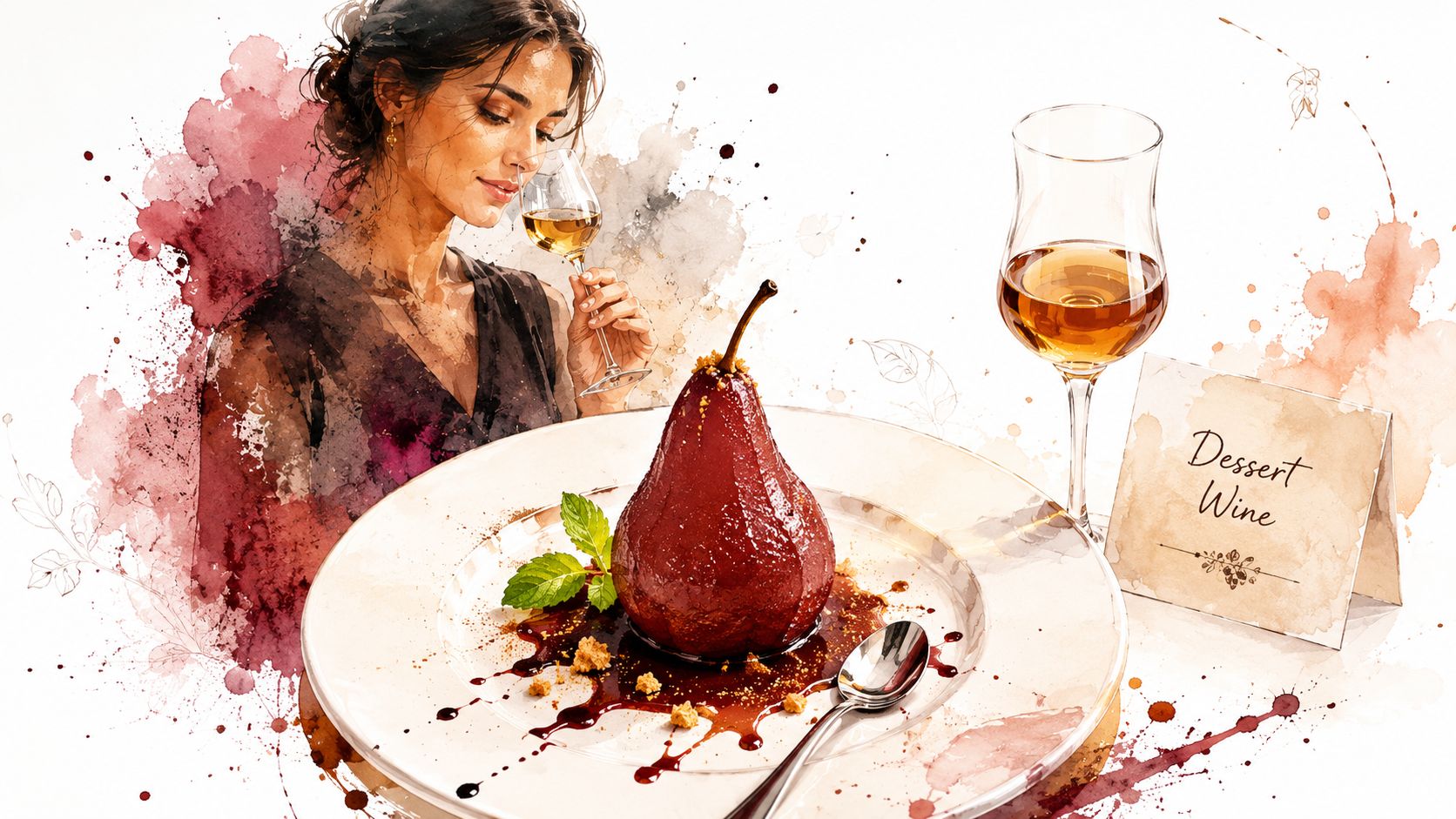
A tasting that carries through dessert feels luxurious because most home hosts stop short of that last course. They'll pair starters and mains, then put out something sweet without much thought. A wine-infused dessert changes the finish of the evening completely.
Poached pears, port-glazed cake, wine syrup over vanilla ice cream, or a fruit tart with Moscato all create a graceful final note. The trick is balance. Dessert wine should complement the dish rather than disappear under too much sugar.
End on a Softer, Slower Beat
Move into dessert with a lower-energy transition. Dim the lights a little, clear the savory plates, and reset the table with fresh napkins and smaller pours. Crafting an amazing dinner party offers a useful reminder that pacing matters just as much as the menu.
If you're serving multiple courses, prepare dessert the day before. That one decision protects the last hour of the party. Hosts who are still glazing cakes or reducing syrup while guests wait often lose the elegant rhythm they worked so hard to build.
The evening also becomes more inclusive when guests can engage at different levels. There's a well-known gap in many home tasting guides around mixed wine knowledge, and beginner-friendly sensory prompts paired with more advanced comparisons help keep everyone interested. Dessert is a natural place to loosen the formality and let guests enjoy.
Dessert Pairings Worth Repeating
- Poached pears with red wine reduction: Best with a fragrant red or gently sweet finish
- Chocolate dessert with fortified-style wine: Rich, dramatic, and ideal for colder months
- Citrus tart or panna cotta: Better with a bright, aromatic dessert wine than a heavy red
- Berries and cream: Lovely with sparkling rosé or a softly sweet pour
What doesn't work is ending with a dessert that's much sweeter than the wine. It makes the pour taste thin and sour.
8. Wine Tasting and DIY Cocktail Creation Workshop
The room shifts the moment guests start building their own drinks. One person discovers that a dry rosé makes a sharper spritz than prosecco. Someone else realizes their sangria went flat because the fruit was doing all the work and the wine had no structure left. That kind of hands-on tasting makes this format lively, social, and far more useful than a standard pour-and-swirl night for mixed groups.
Keep the menu tight. Three wine-based cocktails is the sweet spot for a home workshop. I like to offer one sparkling build, one fruit-driven pitcher drink, and one low-proof aperitif-style option so guests can compare texture, acidity, and sweetness without losing the thread of the tasting.
Set It Up Like a Host Who Knows the Details Matter
Treat each station like a working bar, not a craft table. Pre-measure spirits, juices, and modifiers into small glass bottles. Slice citrus in advance. Label every garnish. Put the recipe cards upright so guests do not have to pick them up with sticky hands.
Start by pouring a small taste of each base wine on its own. That step changes the quality of the cocktails guests make. They can taste whether the wine is floral, crisp, jammy, or bitter before they start adjusting it with syrup or citrus. For the prep side, Jolitee's guide on making simple syrup for cocktails and party drinks is a smart place to start.
A few practical choices keep the workshop polished. Use clear ice if possible because cloudy cubes dilute fast and make every drink look a little tired. Keep dump bowls nearby for failed attempts. Set out bar towels and plenty of napkins, because this is one of the messier party formats on the list.
What Guests Should Take Home
The send-home piece matters here because people leave with new preferences, not just a memory of what they drank. Give them something that helps them remake a favorite serve without guessing.
- A printed recipe card set: Include ratios, garnish notes, and the exact wine used
- A small jar of house syrup or dried garnish mix: Useful, pretty, and easy to prep ahead
- A note card with your recommended bottle swaps: Helpful if guests want to remake the drink with a drier or more affordable wine
The trade-off is simple. This party is more interactive than a classic tasting, but it needs stronger setup and cleanup discipline. Keep the recipes focused, taste the wines before mixing, and the workshop feels chic instead of chaotic.
8-Point Wine Tasting Party Comparison
| Experience | Implementation Complexity 🔄 | Resource Requirements ⚡ | Expected Outcomes ⭐📊 | Ideal Use Cases 💡 | Key Advantages |
|---|---|---|---|---|---|
| Regional Wine Tasting Passport Experience | Medium–High: research + multi‑station setup | Medium: 4–6 regional wines, printed passports, small plates, space | High engagement; educational; memorable keepsake and photo appeal | Wine bars, welcome events, wine clubs, interactive tastings | Encourages discovery; customizable; lasting memento |
| Wine & Artisan Cheese Pairing Night | Medium: sourcing & timing coordination | Medium: quality cheeses, accompaniments, presentation ware | Sophisticated impression; guests leave educated and impressed | Intimate dinners, tastings at wine shops, host image‑building | Teaches pairing principles; elegant presentation |
| Blind Wine Tasting Challenge Party | Medium: bottle prep, clear scoring system | Low–Medium: varied wines, scorecards, wrapping materials, prizes | Highly entertaining; inclusive; builds palate confidence | Parties, team‑building, wine clubs, casual gatherings | Fun competition; democratizes wine tasting |
| Wine & Small Plates Progressive Dinner Party | High: multi‑course logistics and pacing | High: multiple plated courses, staff/help, multiple stations, decor | Restaurant‑quality experience; strong guest interaction; memorable | Private chef events, special celebrations, destination dinners | Creative storytelling; encourages mingling; visually striking |
| Seasonal Wine Celebration & Barrel Release Party | Medium: timing tied to releases; seasonal planning | Medium–High: limited releases, seasonal decor, winery partnerships | Creates urgency/exclusivity; drives purchases and RSVPs | Winery launches, holiday promotions, seasonal marketing events | Seasonal novelty; marketing and sales opportunities |
| Wine & Wellness Pairing Night (Low‑Alcohol & Natural) | Medium: niche sourcing + guest education | Medium: low‑ABV/natural wines, wellness bites, alternatives | Appeals to health‑conscious guests; inclusive; sustainability focus | Wellness events, natural wine bars, mindful entertaining | Aligns with wellness trends; inclusive; supports sustainable producers |
| Wine Tasting Dinner Party with Wine‑Infused Desserts | High: culinary timing and dessert wine knowledge | High: dessert wines, cooking with wine, skilled kitchen prep | Indulgent, cohesive culinary arc; memorable finale | Fine dining dinners, chef‑led events, intimate celebratory meals | Showcases wine in cuisine; extends engagement through dessert |
| Wine Tasting & DIY Cocktail Creation Workshop | Medium: station setup + demo guidance | Medium–High: wines, spirits/ingredients, tools, recipe cards | Hands‑on skills; practical takeaways; shareable cocktail moments | Workshops, team‑building, bachelorette parties, experiential events | Teaches mixology with wine; guests leave with recipes and skills |
Your Next Unforgettable Party Awaits
The best wine nights usually start the same way. Guests arrive curious, the first bottle is already breathing, and the room feels considered before anyone takes a seat. That atmosphere rarely comes from spending more. It comes from choosing one clear format and carrying it through the food, the pacing, and the table details.
Each of these party ideas gives you a full hosting blueprint, not just a theme. A regional passport tasting suits guests who like discovery and conversation. A cheese pairing night looks polished without asking much of the kitchen. Blind tastings bring energy fast. A progressive dinner rewards hosts who want the evening to unfold room by room. The seasonal, wellness, dessert, and cocktail workshop formats each solve a different hosting goal, which is why the right choice depends less on trend and more on your guest list, your space, and how hands-on you want to be.
Good hosts know where to spend and where to simplify. Put the effort into the first impression, the serving flow, and one or two tactile details guests will keep noticing all night. A dressed bottle at the door, crisp linens, and giftable packaging often do more for the mood than another platter on the table. Analysts at The Business Research Company's canvas bags market report found continued demand for reusable canvas bags, which fits the broader shift toward entertaining pieces that feel useful after the party ends.
A smaller home benefits from a tighter flight and fewer visual elements. A mixed-experience group needs tasting prompts that give beginners a way in while still giving collectors something to discuss. If take-home presentation matters to you, plan it from the start rather than treating it as an afterthought.
You do not need vineyard views to host a beautiful tasting. You need a point of view, a calm setup, and details that make the night feel generous. For hosts collecting ideas beyond the wine itself, unique event concepts for 2026 can help shape the styling and atmosphere.
Jolitee is one relevant source for those finishing touches. Its entertaining and gifting pieces suit this style of occasion well.
If you are ready to plan your own tasting night, browse Jolitee for polished entertaining accents that help the evening feel intentional, gift-ready, and easy to host.