

Runner and Placemat Sets: The Complete Styling Guide
A bare dining table can feel a little like a blank outfit. The basics are there, but it doesn't quite have presence yet. You want the table to feel considered, welcoming, and a bit special, even if dinner is just pasta on a Wednesday.
That's where runner and placemat sets earn their place. They do two jobs at once. They protect the table from daily use, and they give the whole setting a finished, intentional look.
If you've ever stood in front of a stack of table linens wondering what goes together, you're not alone. Hosts often get stuck on the same questions. Should the runner go under the placemats? What material is easiest to clean? How do you know if a set will fit your table without looking awkward?
The good news is that this is much simpler than it seems. A well-chosen set becomes the foundation for everything else, from weeknight meals to holiday dinners to a thoughtful hostess gift. Once you know how material, size, and styling work together, the table starts to come together fast.
The Secret to an Effortlessly Chic Table
Guests are due in an hour. The food is under control, the candles are ready, and the table still feels a little plain. Runner and placemat sets fix that quickly because they add structure, polish, and protection in one layer.
They also solve a practical problem frequent hosts know well. A beautiful table is much more enjoyable when you are not worrying about hot plates, water rings, sauce splashes, or extra laundry after every meal. Good sets help the table look finished, but they also help it survive real use.
Why this combo works so well
A runner works like the spine of the table. It gives the center a clear line, so serving bowls, candles, or flowers look grouped instead of scattered. Placemats handle the outer edge of the job by framing each place setting and catching the wear that happens seat by seat.
Together, they create order fast. Even simple dinnerware looks more considered when it sits on a defined surface with a bit of texture and contrast.
A polished table usually comes from smart layering, not from adding more objects.
That balance matters even more if you host often. A flimsy set may look nice on day one, then wrinkle, stain, or scorch after a few dinners. A better-made set earns its keep. It stands up to repeat washing, resists everyday heat more gracefully, and keeps its shape well enough that setting the table feels easy instead of fussy.
If you want a useful refresher on how linens change the mood of a table, the Lewis and Sheron Textiles table linen guide is a helpful reference. It shows how table layers can shift a meal from casual to celebratory without changing the whole room.
What hosts often misunderstand
Many hosts assume runner and placemat sets are mostly decorative, or only for holiday meals. In practice, their value shows up most clearly on ordinary nights and high-traffic gatherings.
They reduce visual clutter. They protect the table from daily friction. They give you a repeatable base that works whether you are serving takeout in bowls or setting out a full dinner for eight.
An effortlessly chic table usually starts with pieces that do more than one job, and do those jobs well. That is the true secret.
Choosing Your Material A Practical Guide
Material is where style meets real life. A table setting can look beautiful for five minutes, but if you're constantly worrying about spills, heat, or wrinkling, it stops being enjoyable.
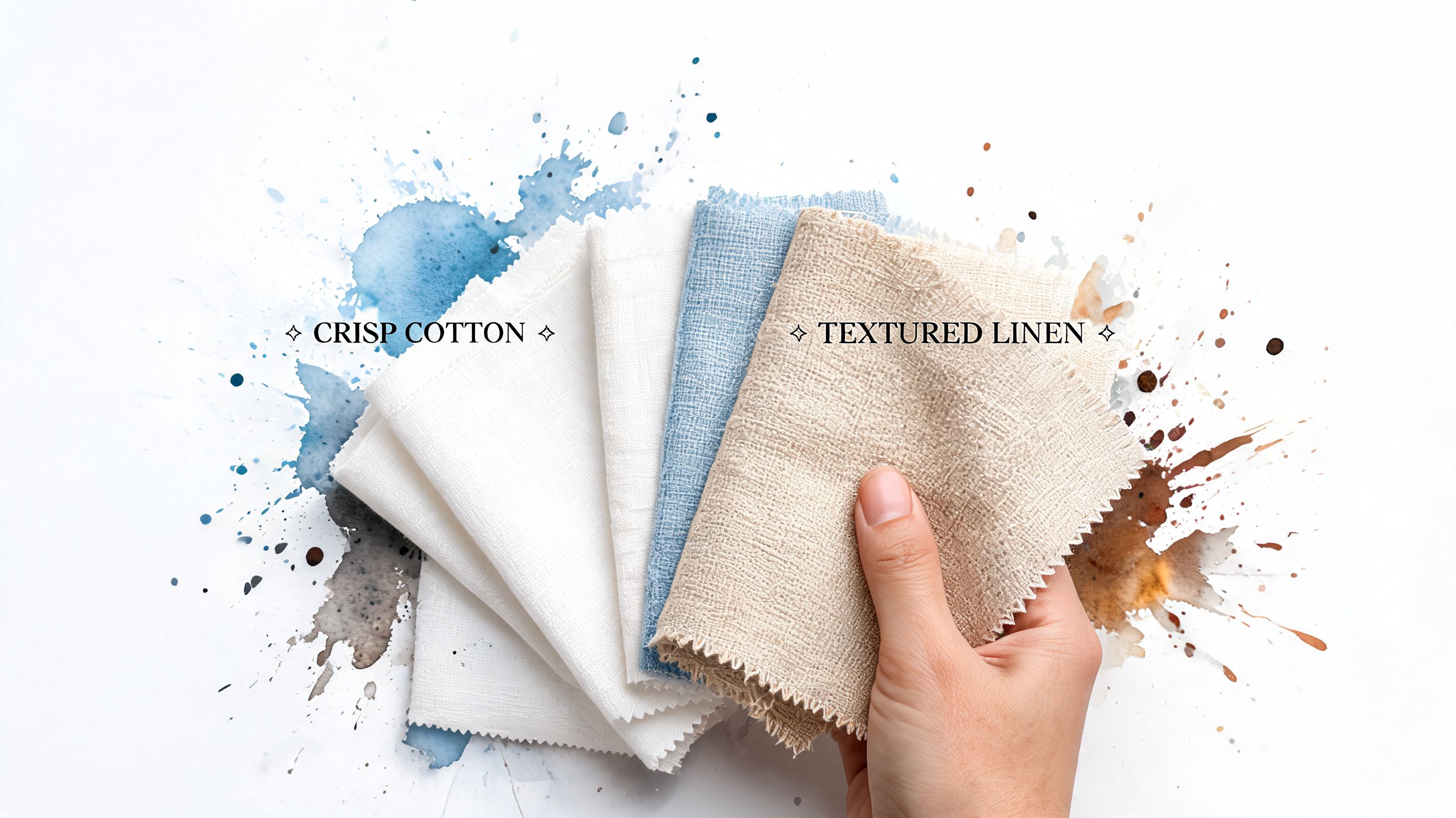
Cotton and linen for softness and classic texture
Cotton feels familiar for a reason. It's easy to live with, it suits both casual and polished tables, and it softens a setting without making it look overdone. If you like a table that feels relaxed but still refined, cotton is a comfortable starting point.
Linen has a slightly different personality. It brings texture, a natural drape, and that elegant, unfussy look many hosts love. It can wrinkle more easily than performance materials, though, so it works best when you enjoy a more organic finish rather than a crisp, perfect surface.
Natural woven looks for warmth
Some hosts prefer a more tactile, earthy table. Woven textures can bring in that collected, layered feeling that works well for outdoor lunches, seasonal gatherings, and rustic interiors.
These styles usually shine when you want visual warmth more than strict formality. They can be especially lovely with stoneware, wood serving pieces, and simple centerpieces.
Practical rule: Pick a material based on how you actually host, not just how you want the table to photograph.
Performance materials for frequent use
Many shoppers get stuck at this point, because “easy care” can sound vague. In practical terms, performance materials are often the smartest choice for people who host often, serve family meals at the table, or want faster cleanup.
According to a Walmart product listing for a set made from performance materials, PVC-coated polyester offers wipe-clean maintenance and heat insulation up to 185°F (85°C), while woven vinyl placemats can be heat-resistant up to 300°F and use thermosealed edges to reduce fraying and extend service life in repeated use as described here.
That matters more than it sounds. A wipe-clean surface helps with sauces, condensation, and everyday spills. Heat resistance helps protect the table from hot dishes and serving pieces. Sealed edges matter because edges are often the first part to curl, fray, or wear out.
How to choose without overthinking it
Use this quick filter:
- For everyday family meals: Choose performance materials that wipe clean and keep their shape.
- For a soft, refined dinner-party feel: Choose cotton or linen.
- For outdoor entertaining: Look for surfaces that resist staining and moisture.
- For gifting: Pick something that balances beauty with easy care, so it feels useful from day one.
A pretty set that's annoying to maintain usually ends up in a drawer. A stylish set with practical performance gets used.
Getting the Perfect Fit A Guide to Sizing
You set the table, place the runner, add the placemats, and something still feels off. Usually it is not the color or pattern. It is scale.
Good sizing works like tailoring. When the proportions fit the table, everything looks more polished and functions better during a real meal. Guests have enough elbow room, serving dishes sit comfortably in the center, and hot plates are less likely to end up half on the placemat and half on the table.
Start with placemats
A useful baseline is 12" x 18" for standard place settings, while 14" x 20" gives more coverage for larger plates and glassware, according to Sewing.org's table treatments guidelines.
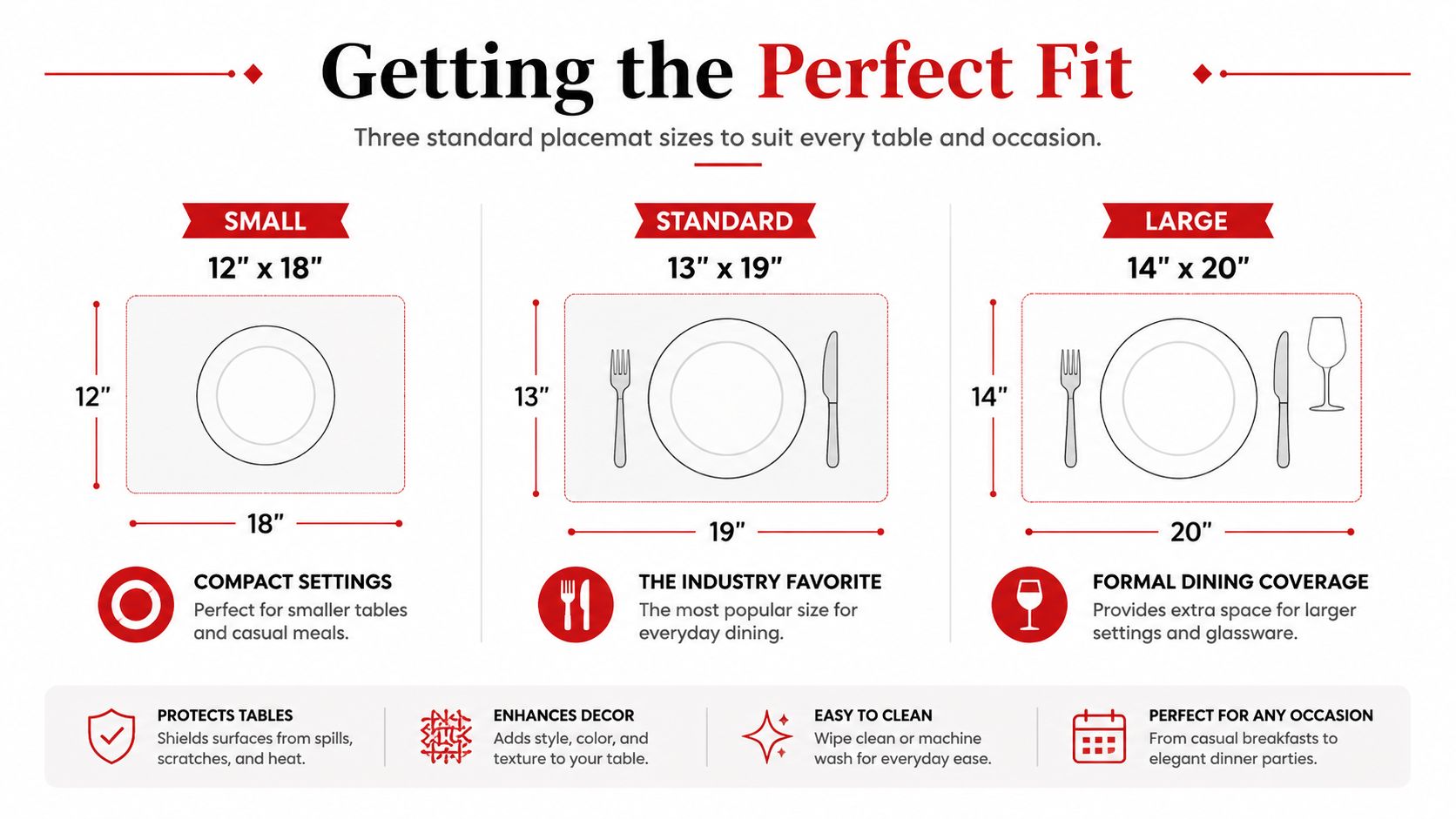
The larger option often looks more relaxed and intentional, especially if you use wide dinner plates, water glasses, and cloth napkins at each setting. It also performs better for frequent hosts. More surface area means better protection from condensation, crumbs, and the occasional drip from a serving spoon.
Here is the quick version:
| Placemat size | Best for |
|---|---|
| 12" x 18" | Smaller tables, everyday dishes, tighter seating |
| 14" x 20" | Larger dinnerware, fuller place settings, more table protection |
If your chairs sit close together, do a dry run before buying. Place dinner plates on the table and measure the space each guest uses. That simple step prevents placemats from overlapping or hanging off the edge.
Then measure the runner
The same Sewing.org guide notes a common runner formula. Add 12" to the table length to allow about 6" of overhang on each end.
That overhang matters because it gives the table a finished outline without getting in the way. Too short, and the runner can look skimpy. Too long, and it starts brushing laps or crowding chairs at the head of the table.
Width matters too. A runner should leave enough open space for plates and serving pieces to do their jobs. If it takes over the middle third of a narrow table, your centerpiece and platters may compete for room, which is frustrating during actual hosting.
How table shape changes the decision
Rectangular tables are the most forgiving. The runner reinforces the length of the table, and placemats create clear personal zones for each guest.
Round and oval tables need a lighter hand. A runner can still work, but the goal is balance, not strict geometry. On smaller round tables, placemats alone often feel cleaner and more usable because they preserve open space for shared dishes.
Narrow apartment tables need special attention. With such tables, performance meets style in a very practical way. If the table is slim, choose a narrower runner and placemats that protect the surface without eating up the whole tabletop. A beautiful setup still has to leave room for water glasses, serving bowls, and hot dishes.
If you are also sorting out drop lengths and overall table proportions, this guide on what size tablecloth do I need is a helpful companion.
A simple fit checklist
- Measure the tabletop first: A few inches change the whole look.
- Match the placemat to your dinnerware: Larger plates usually need the roomier size.
- Check the runner width: It should frame the center, not dominate it.
- Test full seating: Make sure every guest has comfortable space.
- Plan for real hosting: Leave enough exposed table for serving pieces, heat protection, and easy cleanup.
A well-sized set does more than look nice. It makes the table easier to use, easier to protect, and easier to enjoy.
Styling Your Set for Any Occasion
Guests are due in an hour. The chicken is in the oven, someone will set down a hot serving bowl without asking, and at least one drink glass will leave a ring if your table is not protected. A good runner and placemat set helps the table look polished, but it also does real work during the meal.
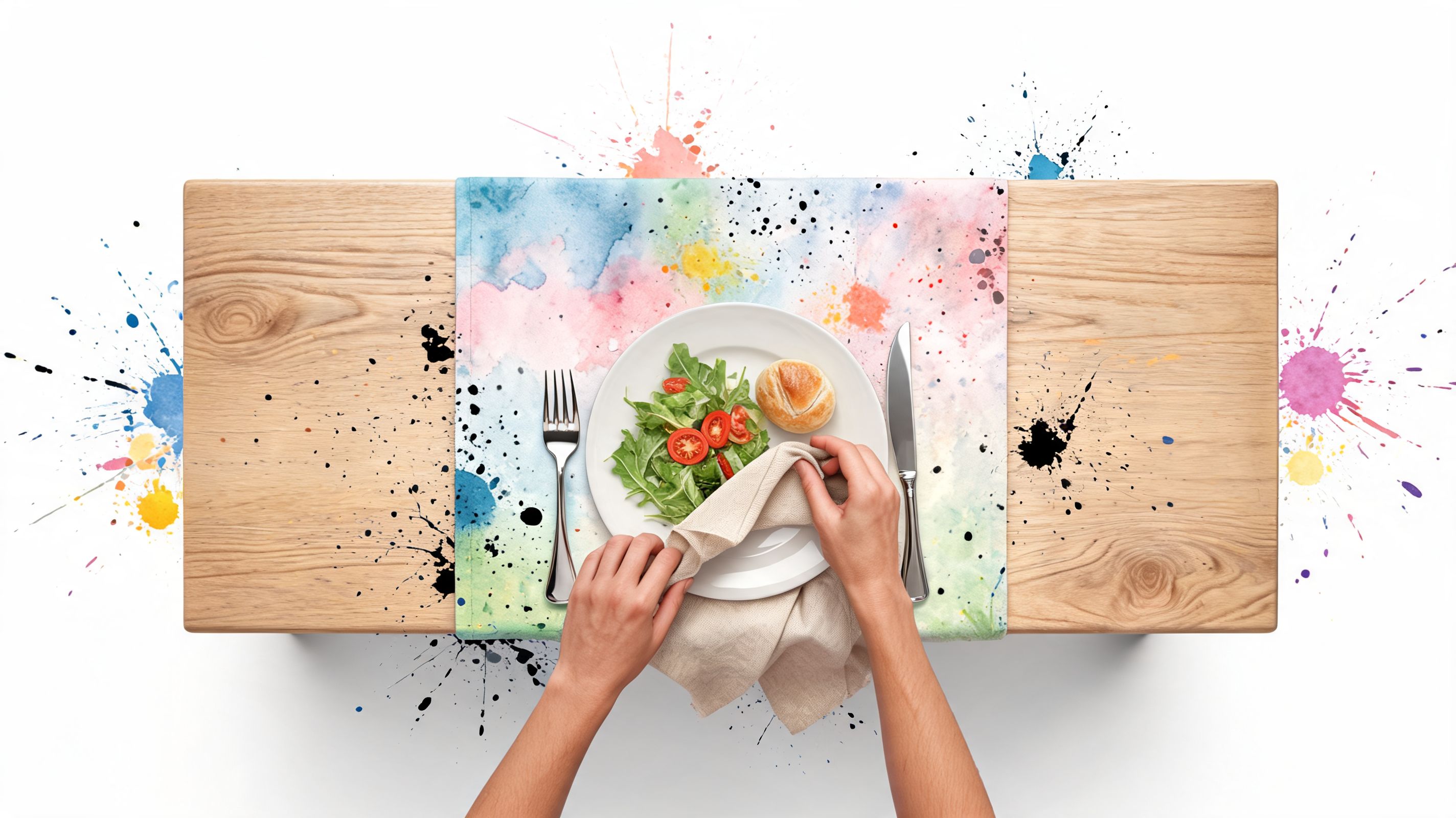
The easiest way to style for different occasions is to start with the job your table needs to do. Some meals call for quick cleanup. Others need better heat protection or a surface that can handle candle wax, red sauce, or condensation. Once you choose for performance first, the decorative choices become much simpler.
Everyday elegance
Daily dining should feel easy to reset, not precious. Reach for a runner and placemats in colors that hide small crumbs or light spotting, and choose surfaces you can wipe clean without special care. For frequent hosts, that usually matters more than intricate detailing that only looks good for the first fifteen minutes.
A reliable everyday formula is simple:
- Quiet color: Soft neutrals, warm stripes, or low-contrast patterns keep the table calm.
- Useful texture: A lightly woven or coated finish adds interest and helps disguise wear between washes.
- Low center detail: A fruit bowl, small vase, or short candleholders leaves room for serving dishes.
White dishes keep this setup crisp, and they make it easy to swap in seasonal accents later. If you want a refresher on layering place settings without crowding the table, this guide on how to set a beautiful table is a helpful reference.
Festive and holiday gatherings
Holiday styling works best when one element leads and the rest support it. A patterned runner with quieter placemats often feels more controlled than mixing several bold motifs at once. The reverse works too, especially if your serving pieces are already colorful.
Material choice matters more here because holiday meals tend to be tougher on the table. Hot platters, deeper sauces, candle drips, and longer meals all put pressure on your linens. If you host often, pick sets that can handle repeated washing or easy spot cleaning, so the table stays beautiful after the second and third gathering, not just the first.
A few details keep festive tables polished:
- Keep the palette tight: Two or three colors usually feel richer than five.
- Mix finishes on purpose: Smooth plates, textured mats, and polished glass create contrast without clutter.
- Control centerpiece height: Guests should be able to talk across the table comfortably.
Seasonal changes do not always require a whole new set, either. Swapping in greenery, colored candles, or ready-to-sew seasonal table runners can shift the mood while your core placemats stay the same.
This short video is helpful if you like seeing styling ideas in motion.
Alfresco and outdoor dining
Outdoor dining asks more from a tabletop. Wind nudges corners out of place. Cold glasses sweat. Plates move from grill to table while still warm.
Choose pieces that can handle moisture and frequent wiping without losing their shape. Placemats with some weight stay put better outdoors, and runners with a bit of structure tend to look neater than very soft, fluttery fabrics. This is also a smart time to favor materials that dry quickly and do not demand immediate laundering after every meal.
For the look itself, keep it relaxed. Repeated colors, durable serving ware, and one natural texture such as rattan, cotton slub, or a woven finish usually give you enough character without making patio dining feel fussy.
Shop the Look Practicality Meets Polish
A good host knows the moment that tests a table is not the first five minutes. It is the second round of drinks, the warm serving dish that lands without warning, and the quick wipe before dessert. Runner and placemat sets earn their keep when they still look pulled together after all of that.
According to VMAT Home's tableware collection language, brands often sell the look first. For frequent hosts, the smarter filter is performance: how easily a surface wipes clean, whether it resists common stains, and how much heat it can handle without showing stress. Those details shape whether a set becomes a regular favorite or something you save and fuss over.

Pieces that work with runner and placemat sets
The most polished tables usually have a quiet logic to them. Every piece helps the meal flow better, or makes cleanup easier, or adds a soft layer that keeps the setting from feeling flat.
A few additions do that job especially well:
- Cloth cocktail napkins: Useful for passed drinks, dessert, or a bar cart where paper can feel too casual
- Wine gift packaging: Practical if you are arriving with a bottle and want it to feel considered, not last-minute
- Small entertaining accents: Serving extras that support the meal without crowding the table
Jolitee carries entertaining and gifting pieces in those categories, including wine bags, gift items, and ideas that pair well with monogrammed linen napkins for hosting and gifting. That kind of coordination matters more than many people expect. A table feels calmer and more intentional when the textiles, serving pieces, and gift details speak the same design language.
A giftable approach to the table
Runner and placemat sets make good gifts because they solve a real hosting problem. They help protect the table, define each place setting, and add color without asking the recipient to redecorate the whole room.
That balance of beauty and usefulness is what makes quality sets a smart buy too. If you host often, durable materials and easy-care finishes usually give you more value than trend-driven pieces that need delicate handling after every meal. You use them more, wash them with less worry, and get a table that still feels special.
If you like handcrafted inspiration, ready-to-sew seasonal table runners can spark ideas for color, texture, and seasonal styling, even if you're shopping ready-made rather than sewing your own.
The best choice is often the one you will reach for on an ordinary weeknight and again when friends come over Saturday evening. That is where polish starts to feel practical.
Extending the Life and Love Care and Gifting
A beautiful set lasts longer when care feels simple. Most damage happens through friction, staining, curling edges, or casual storage, not dramatic accidents.
Easy care habits that help
The first step is matching your cleaning method to the material. Cotton and linen often benefit from gentle washing and careful drying, while wipe-clean surfaces are happiest with a quick pass after each meal rather than long-term buildup.
A few habits make a real difference:
- Clean soon after use: Stains are easier to manage before they set.
- Store flat when possible: This helps reduce creasing and curling.
- Avoid rough stacking: Heavy dishes on top of placemats can distort edges over time.
- Rotate your sets: Frequent hosts get better wear by using more than one look in rotation.
When to use delicate care
If your runner or placemats have texture, trim, or a softer woven finish, spot cleaning may be the better call for small marks. That's especially true when you want to preserve shape and finish.
Good tabletop pieces don't need fussy care. They need consistent care.
If you appreciate handcrafted table projects and want to follow makers working in this space, some quilting communities also share ways to collaborate and create. For example, High Country Quilts has a page where makers can submit a quilting creator application, which gives a glimpse into how giftable textile projects continue to circulate through creative communities.
Why these sets make thoughtful gifts
Runner and placemat sets are a globally recognized tabletop category, with use cases that include holidays and weddings, showing how strongly they function in both event décor and gifting across retail channels, as reflected in this Walmart runner and placemat sets category page.
That makes them a strong gift because they solve a real need. People may not buy themselves a polished tabletop set right away, but they often use one happily once they have it.
A few occasions where they work especially well:
- Housewarmings: Useful, decorative, and easy to style with many homes
- Weddings: A practical gift that feels more personal than a generic household item
- Hostess moments: Especially lovely when paired with wine or small entertaining extras
If you want a more layered gift, pair a tabletop set with something personal like monogrammed linen napkins for entertaining and a simple food or drink element. Even a homemade treat or cocktail ingredient bundle can make the gift feel warm and complete.
Frequently Asked Questions
Should a runner go under placemats or between them?
Usually, the runner sits down the center of the table while placemats mark each place setting on either side. That keeps the center open for serving pieces and gives every guest their own defined space.
Do I always need both a runner and placemats?
No. If your table is very small, placemats alone may feel cleaner and more practical. On larger tables, using both often creates a more finished, layered look.
What's the easiest material for frequent hosts?
Performance materials are usually the easiest for repeated use because cleanup is faster and the surface tends to hold its shape better. They're especially practical for families, outdoor dining, and anyone who entertains often.
Are runner and placemat sets a good hostess gift?
Yes. They feel thoughtful without being overly personal, and they're useful for future dinners, holidays, and casual meals. If you want the gift to feel more complete, pair it with wine, napkins, or another small entertaining accessory.
How do I keep a tablescape from looking too busy?
Start with one visual anchor. That might be the runner, the placemats, or the centerpiece. Then keep the rest quieter so the table feels layered rather than crowded.
A well-chosen tabletop set makes hosting feel easier, not more complicated. If you're building a gift-ready entertaining wardrobe with thoughtful details for the table and beyond, browse Jolitee for polished pieces that help everyday meals and special gatherings feel more finished.