

Hospital Stuffed Animals: A Guide to Gifting Comfort
Meta description: Hospital stuffed animals can comfort patients, but hospital rules matter. Learn how to choose a safe, approved plush gift that feels thoughtful and appropriate.
You want to bring something soft, reassuring, and kind. Someone you care about is in the hospital, and a stuffed animal feels like the most natural gesture in the world.
Then the uncertainty starts. Will the hospital allow it? Does it need to be brand-new? Is a sweet plush gift helpful, or could it create one more complication for staff and family?
That tension is real. A comforting gift can absolutely matter, especially when a hospital room feels clinical, loud, and unfamiliar. At the same time, hospital gifting works best when warmth and safety show up together.
The Comforting Power of a Well-Chosen Gift
A stuffed animal can do more than decorate a chair or sit on a tray table. Research confirms that stuffed animals in clinical settings act as multi-purpose coping tools that help patients handle the stress of hospitalization, regulate emotions, and even provide relief from post-surgical pain, according to this clinical review on comfort objects in hospital care.
That matters when you're choosing a gift for a child who feels frightened, overstimulated, or far from home. It also matters for adults who find comfort in something soft and familiar when the day has been long and the room feels impersonal.
Why this gift lands so deeply
Hospital rooms strip life down to essentials. A good gift puts a little humanity back in the space.
A plush companion works because it gives the patient something to hold, focus on, and connect with. In many care settings, people look for immediate relief and comfort in very practical forms, and a thoughtfully chosen stuffed animal fits that instinct beautifully when the hospital approves it.
A well-chosen plush gift doesn't feel trivial in a hospital room. It feels grounding.
Where good intentions can go sideways
The tricky part isn't whether a stuffed animal is comforting. It often is. The tricky part is that many gift-givers focus on the emotional idea and skip the hospital's safety requirements.
That's where disappointment happens. A plush toy can be sweet, expensive, and beautifully meant, then still be the wrong item for a clinical environment.
If you're also weighing other thoughtful options, Jolitee's guide to get-well gifts that feel caring and useful offers a wider mix of ideas for hospital visits and recovery moments.
Selecting a Safe and Hospital-Approved Stuffed Animal
You find a plush that feels perfect. It is soft, cheerful, and exactly the kind of gift that says, "I'm thinking of you." Then a nurse has to check whether it can stay in the room at all.
That gap matters. The right stuffed animal can comfort a patient without creating extra work for staff or extra risk for someone whose immune system may already be under strain.
Clinical Requirements
Hospitals and pediatric units often have stricter gift rules than people expect. Staff may decline a toy that looks harmless if it has hard attachments, traps dust, sheds decoration, or cannot be cleaned easily. New condition is usually required for the same reason fresh flowers, outside food, and fabric items are sometimes restricted. Infection control and patient safety come first.
Practical rule: Bring a plush that is new, simple, and easy to inspect at a glance.
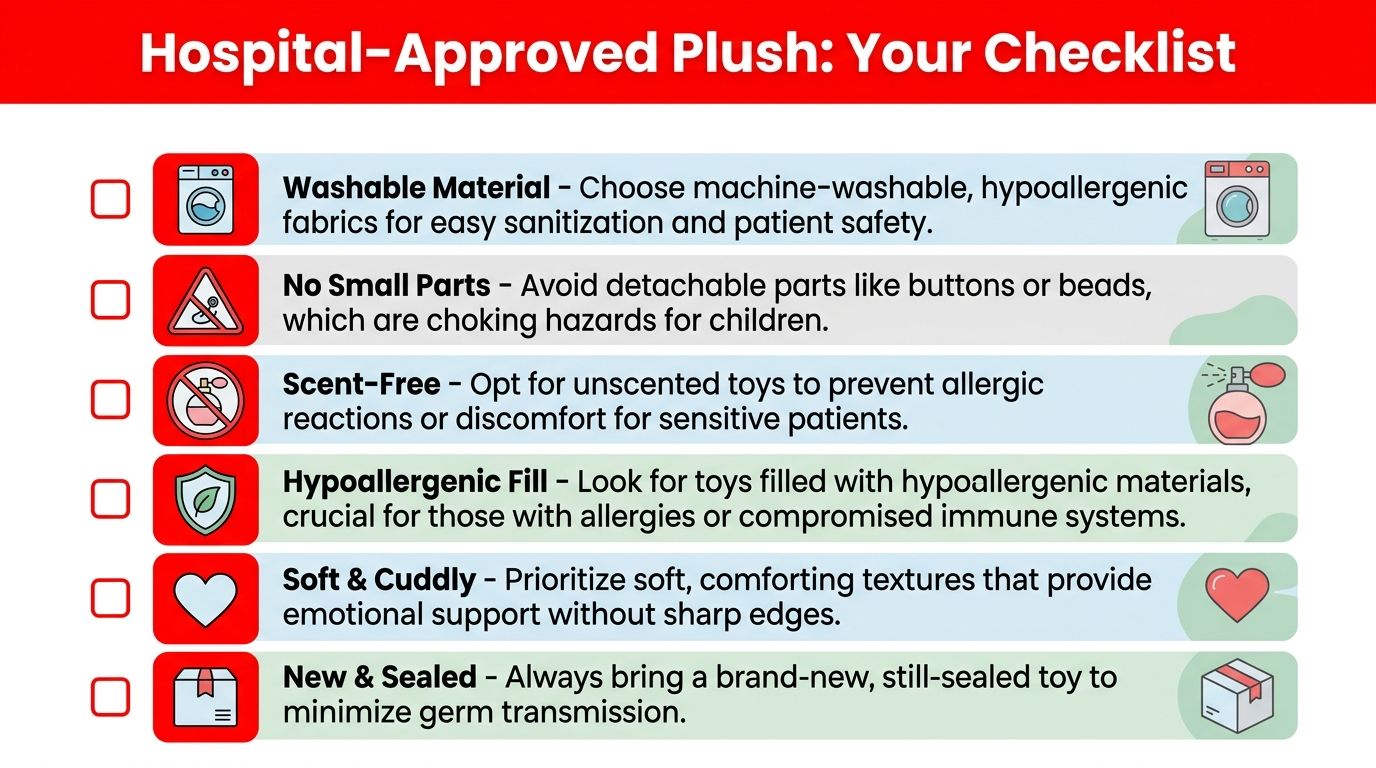
What to check before you buy
A good hospital gift is usually quieter and simpler than the plush you might choose for home.
- Brand-new condition. Skip anything previously cuddled, displayed, or stored loose in a closet or playroom.
- No detachable details. Avoid button eyes, plastic badges, glued-on trims, bows, beads, sequins, or mini accessories.
- Soft, uncomplicated fabric. Smooth plush is easier on sensitive skin and easier to keep clean than heavily textured materials.
- Medium or small size. A patient already has blankets, monitors, trays, and personal items competing for limited space.
- Washable construction. Families often keep and reuse the toy after discharge, so easy care matters.
- No fragrance. Scented fabrics, perfume sprays, and heavily fragranced detergents can bother patients dealing with nausea, headaches, or respiratory sensitivity.
Gifts that often get turned away
I tell people to avoid plush that asks the hospital for too many exceptions.
| Plush type | Why it can be a problem |
|---|---|
| Heirloom or vintage stuffed animals | They do not meet typical clinical cleanliness standards |
| Plush with glitter, sequins, or embellishments | Decorative pieces can shed or become hazards |
| Oversized animals | They take up too much room on a bed, chair, or windowsill |
| Musical or battery-operated toys | Extra components add noise and create more surfaces to clean |
Hospital-themed plush can work well if the design stays simple. A doctor teddy bear get-well gift set for kids is a useful example to compare against your hospital's gift policy before you buy.
Why staff screen plush so carefully
Care teams are not judging the sentiment behind the gift. They are protecting a patient and trying to keep the room manageable.
That mindset helps you choose better. A stuffed animal should feel comforting to the patient, easy for a family member to hold onto, and low-risk to the unit. If you want more context for why material choice and cleanliness matter so much in care settings, this guide to preventing commercial infections gives helpful background.
Preparing Your Gift for a Sterile Environment
Buying the right plush is only half the job. How you handle it before the visit matters too.
A brand-new stuffed animal can still collect dust from a shelf, debris from shipping, or residue from packaging. A little preparation makes the gift feel more thoughtful and more appropriate for the room it's entering.
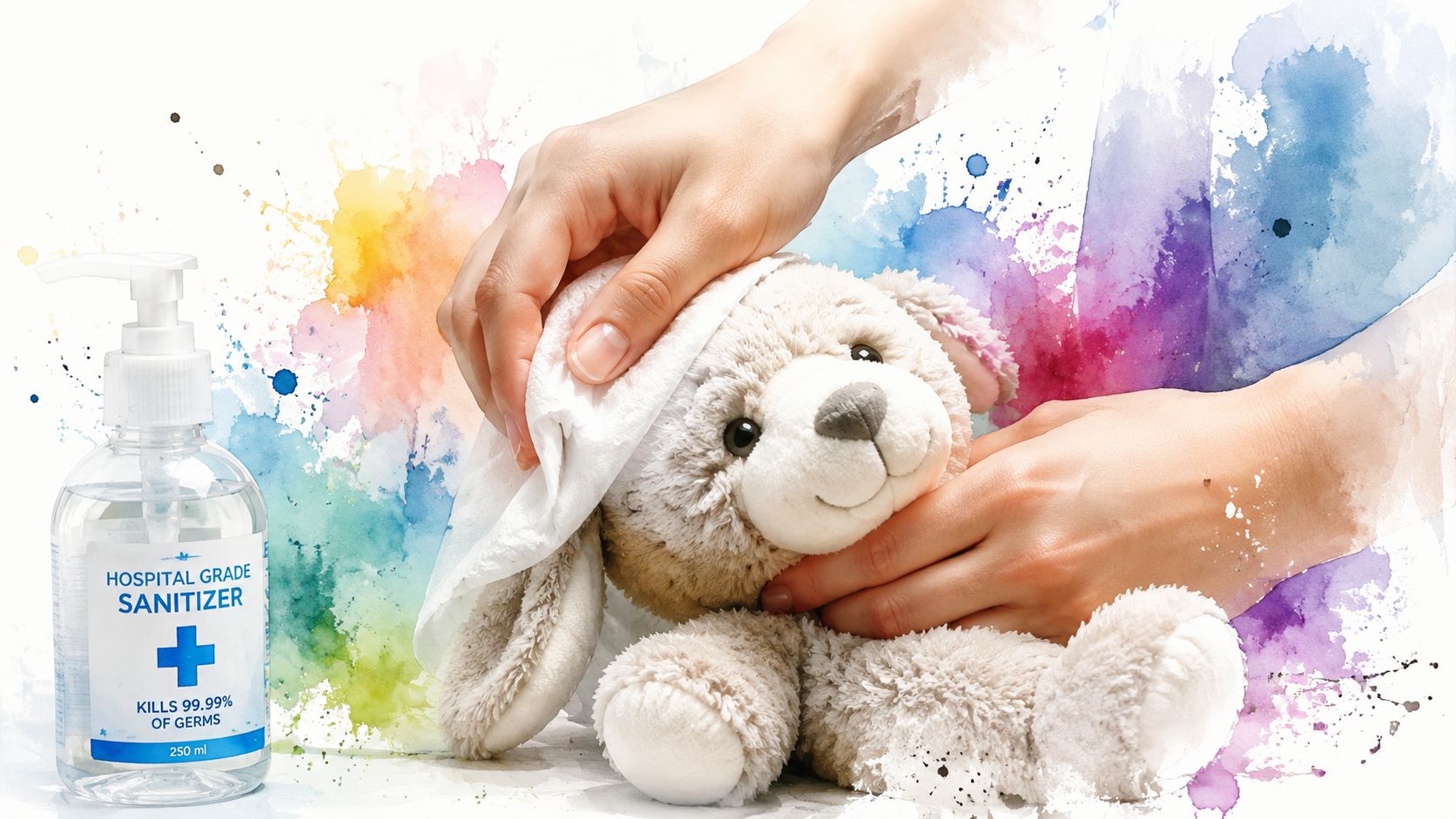
If the plush is machine washable
Check the care label first. If machine washing is allowed, keep the process gentle.
- Place it in a clean pillowcase or mesh bag to reduce friction.
- Use a mild, fragrance-free detergent rather than anything strongly scented.
- Choose a gentle cycle with cool or lukewarm water.
- Dry it completely before wrapping or bagging it. Damp plush can pick up odors and feel less fresh.
If it's surface-clean only
Not every stuffed animal can go in the wash, especially gift sets with outfits or decorative stitching. In that case, keep it simple.
- Wipe the exterior lightly with a clean cloth.
- Avoid soaking the fabric or using harsh cleaners.
- Let it air out fully in a clean indoor space before packaging.
- Handle it with clean hands once it's ready to gift.
The goal isn't to sterilize a toy at home. It's to present a brand-new gift in the cleanest, calmest condition possible.
Packaging matters here too
Once the toy is clean and dry, don't toss it into the car uncovered. Put it in a fresh bag or sealed wrapping so it stays clean on the way to the hospital.
That one extra step keeps the gift from picking up dust, pet hair, food smells, or whatever else your day throws at it before visiting hours.
Thoughtful Presentation and Personalization
A hospital gift doesn't need elaborate wrapping. It needs to feel polished, easy to inspect, and easy to carry.
That balance is where presentation really matters. The best wrapping for hospital stuffed animals looks cheerful without creating extra mess or extra work for staff.
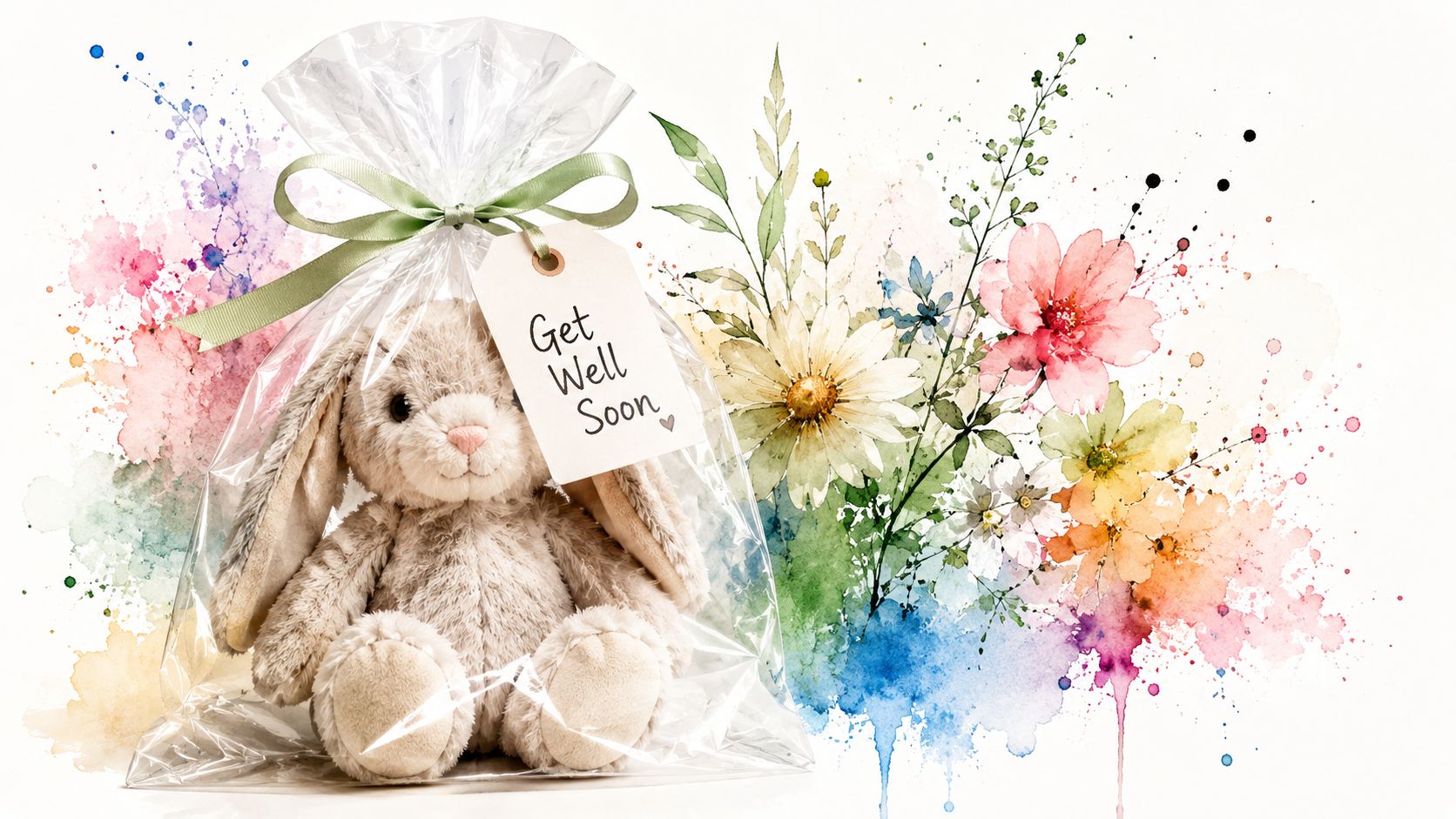
Wrapping that feels pretty and practical
Clear wrapping is often the easiest choice because staff and family can see the item immediately. A clean cellophane bag with a simple tag works well, especially if the plush has already been prepared carefully.
A small reusable gift bag can also work if it's tidy and easy to wipe down. If you enjoy making a gift feel more finished, Jolitee's ideas for creative gift wrapping with a polished look translate nicely to get-well gifting too.
Personal touches that stay hospital-safe
Personalization is lovely. Attachment points on the toy itself usually aren't.
Instead of tying extras around the plush, tuck a handwritten note into the bag. Keep the message warm and short. For younger patients, include a card that names the toy and gives it a little personality. If you're exploring options that keep personalization practical for kids, InchBug's safe personalized gifts offer good inspiration.
Try presentation details like these:
- A simple gift tag with the patient's first name
- A short note from friends, cousins, or classmates
- A clean ribbon on the outer packaging, not on the plush itself
- A coordinated color palette that feels cheerful instead of loud
Good presentation says, "I thought this through," without making the gift harder to use.
Shop the Look Hospital-Ready Plush
The right plush for a hospital visit should feel comforting at first glance and simple for staff and family to handle. That usually means a smaller toy, clean lines, and no extras that make nurses pause or parents wonder whether it can stay in the room.
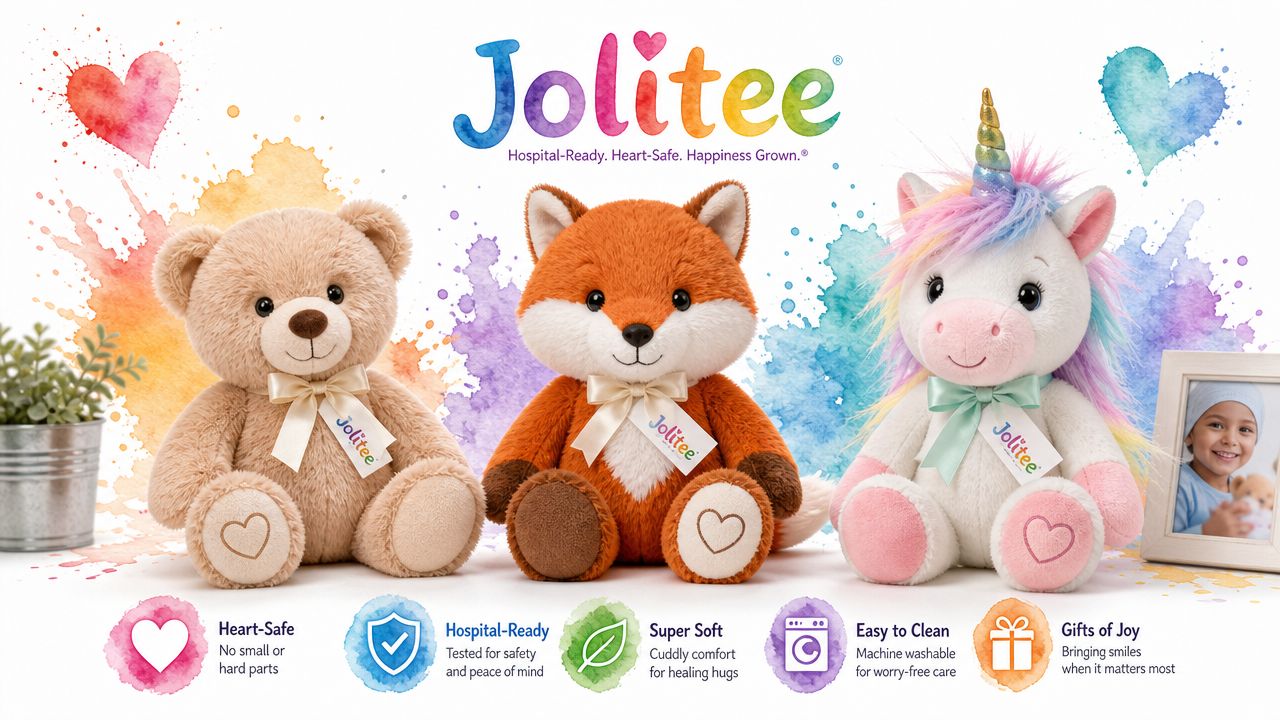
A good shopping edit helps narrow the field. Instead of buying the cutest plush you see, choose pieces that still feel giftable after you factor in infection-control realities, storage limits, and the possibility that anything overly complicated may be set aside.
- A pediatric get-well plush with a clear recovery theme. A doctor or nurse teddy bear set can feel especially reassuring for children because it mirrors the hospital setting in a gentle, friendly way, as noted earlier.
- A practical bag for notes or take-home items. A reusable canvas wine gift bag collection can hold a card, lip balm, socks, or discharge-day extras in a way that feels tidy and useful.
- A polished add-on for the caregiver or host at home. Elegant hemstitch cocktail napkins suit the family member coordinating meals, updates, and overnight support.
- A broader browse for small companion gifts. Jolitee's gift-ready collections are helpful if you want to pair the plush with one restrained extra rather than a bulky gift bundle.
I usually recommend keeping the patient gift focused on one hospital-appropriate plush, then directing any style-forward extras toward the family or the home. That split works well. The patient gets comfort that is likely to be accepted, and the household still feels cared for without adding clutter to the room.
Your Gifting Questions Answered
Are hospital stuffed animals only for children
No. Plush gifts can comfort adults too, especially when the patient enjoys tactile comfort, keepsakes, or sentimental objects.
The key is fit. For an adult, choose something understated and soft rather than overly cartoonish unless you know that's their style.
Does the patient usually keep the stuffed animal after discharge
Usually, yes. Policies can vary, but most comfort items given to children in hospitals are intended for them to keep as a lasting token of comfort and bravery, as noted in this discussion of stuffed animals as keepsake comfort gifts.
Can I bring a used stuffed animal if it's been washed
This is the one area where sentiment needs to yield to safety. A cherished toy from home may feel more meaningful, but it still may not meet hospital hygiene requirements.
If the patient wants that familiar item nearby, ask the care team first. Some units are stricter than others.
What if the hospital doesn't allow plush toys
Bring another comfort-forward gift that doesn't create the same concerns. Soft blankets, books, cards, or a small care package can still feel personal.
If you're visiting the family at home after discharge, that's often the better moment for a more decorative or sentimental plush gift.
What should I avoid attaching to the stuffed animal
Skip anything that adds loose parts, sharp edges, or extra surfaces. That includes pins, jewelry, tied-on charms, balloons attached to the plush, or candy fastened with ribbon.
Keep the toy simple. Put your note and any finishing details on the outer packaging instead.
If you're choosing a recovery gift and want it to feel thoughtful, polished, and appropriate, browse Jolitee for plush, gift-ready packaging, and small comforting extras that help you give with both heart and good judgment.