

Bar Cart Essentials: A Guide to Stylish Entertaining
You've probably had this moment. Guests are due soon, you want the room to feel polished, and somehow the bottle opener is in one drawer, the tonic is in another, and your glassware is scattered across the kitchen.
A well-planned bar cart fixes that. It turns last-minute scrambling into a simple ritual. It also makes your home feel ready for company, even when the gathering is casual.
The most useful bar cart essentials aren't about owning everything. They're about choosing a small group of bottles, tools, and finishing touches that help you serve drinks gracefully and make guests feel welcome.
Why a Bar Cart Is More Than Just Furniture
A bar cart earns its place because it works hard. It stores what you need, keeps service mobile, and creates a focal point that invites people to gather.
That combination of function and presentation has deep roots. The bar cart began as a Victorian tea trolley in the late 1800s, then shifted into cocktail service after Prohibition ended in 1933, and reached a cultural peak in the 1950s and 1960s as a symbol of elegant hospitality, according to this history of the bar cart. That long evolution explains why a good cart still does two jobs at once. It helps you serve, and it helps you set a mood.
It changes how hosting feels
When your supplies live in one place, you stop leaving the conversation every few minutes. You can pour sparkling water, mix a simple cocktail, or offer a nightcap without rummaging through cabinets.
That matters more than people expect. Guests notice ease. They remember when a host looks relaxed.
A bar cart works best when it feels like a service station first and a display second.
It can fit almost any home
You don't need a dedicated bar room to use one well. A compact cart in a dining corner, a console styled as a drink station, or a tray on a bookshelf can all do the job.
If part of your entertaining happens outside, it also helps to think beyond the living room. The same principles of flow, access, and durability apply to patios and backyard setups, which is why these expert tips for your outdoor bar project are useful if you entertain in more than one space.
Beauty has a job to do
The prettiest carts are rarely the most crowded. They feel intentional because every object earns its place.
That's the guiding idea for the rest of this guide:
- Choose bottles with range so a small collection can make many drinks
- Keep tools visible and reachable so service feels easy
- Add a few decorative elements that support the mood without blocking function
- Style for the occasion instead of treating the cart like a permanent display
Stocking Your Essential Spirits and Liqueurs
Beginners overbuy at the beginning. They collect interesting bottles before they know what they'll make.
A better approach is to start with a compact core. A technically sound bar cart should prioritize a six-bottle core of vodka, gin, light rum, tequila, whiskey, and orange liqueur, because that foundation supports hundreds of classic and modern cocktails without overstocking, as outlined in this six-bottle home bar guide.
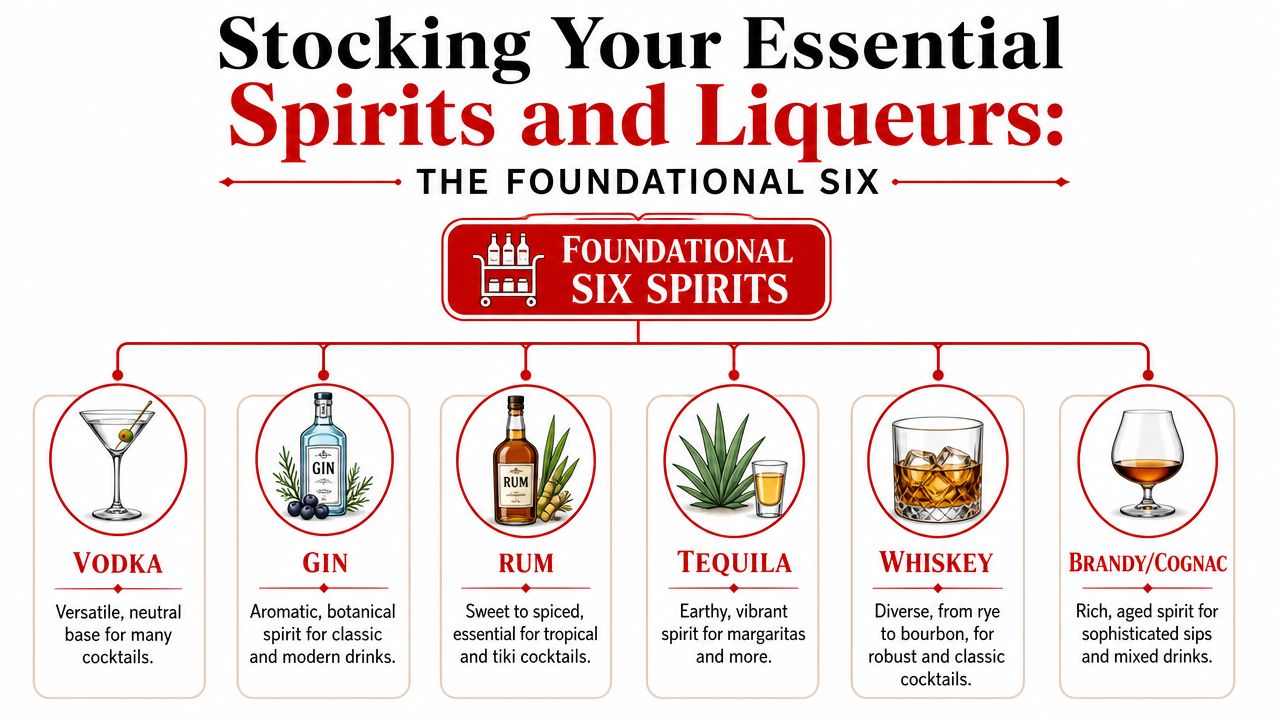
The foundational six
Each bottle earns its place for a different reason.
- Vodka gives you a neutral base. It's useful when you want mixers, citrus, or other flavors to lead.
- Gin brings botanicals and structure. If you like crisp, aromatic drinks, this bottle does a lot of work.
- Light rum opens the door to refreshing, easy-drinking cocktails with lime, soda, or sugar.
- Tequila adds brightness and character. It's especially useful if you love citrus-forward drinks.
- Whiskey brings warmth and depth. Choose bourbon or rye based on your taste.
- Orange liqueur is the quiet overachiever. It rounds out citrus drinks and gives your cart more flexibility than a sixth base spirit would.
How to choose without overthinking
Start with bottles you'd happily drink in more than one format. That's the simplest test.
If you love spirit-forward drinks, buy a whiskey you'd sip neat and also use in mixed drinks. If you prefer tall, refreshing cocktails, place more emphasis on gin, vodka, and tequila. Your cart should reflect your hosting style, not an imaginary one.
Here's a practical way to think about bottle selection:
| Bottle | What it brings | Good for |
|---|---|---|
| Vodka | Neutrality | Simple mixed drinks |
| Gin | Botanical flavor | Tall, crisp cocktails |
| Light rum | Soft sweetness | Citrus and soda drinks |
| Tequila | Bright agave character | Margaritas and refreshing serves |
| Whiskey | Depth and warmth | Spirit-forward classics |
| Orange liqueur | Citrus complexity | Rounding out many recipes |
Practical rule: Buy fewer bottles than you think you need, but make each one versatile.
A compact cart always looks more elegant than an overloaded one. That's true visually, and it's true when you're mixing drinks under a little social pressure.
For a deeper bottle-by-bottle walkthrough, Jolitee's guide on how to stock a home bar is a helpful companion read.
The mistake to avoid
Don't let novelty dominate the shelf. One unusual bottle can be fun, but a cart full of niche liqueurs often leaves you with nothing easy to pour.
Start with coverage. Then add personality.
Choosing Essential Mixers and Garnishes
Once the spirits are in place, mixers and garnishes handle hospitality duties. They turn a bottle collection into actual drinks your guests want to sip.
Many carts frequently become cluttered. The fix is simple. Divide your supplies into must-haves and next-level extras.
The must-haves
These are the items that support the widest range of easy drinks.
- Club soda keeps tall drinks light and refreshing
- Tonic water is worth stocking if you serve gin or vodka often
- Ginger beer adds a spicy, lively option for mixed drinks
- Aromatic bitters help simple cocktails taste more complete
- Fresh lemons and limes handle both juice and garnish duty
A small bowl of citrus does more than make drinks possible. It also makes the cart look alive and ready.
The next-level extras
These aren't mandatory, but they make your setup feel more considered.
- Simple syrup helps with balance in citrus drinks
- Olives are useful for savory cocktail service
- Cocktail cherries add a classic finishing touch
- Orange peels make spirit-forward drinks feel intentional
- A small carafe of fresh juice works well for brunch or daytime entertaining
How to keep mixers from taking over the cart
Store only what you'll use soon on the cart itself. Keep backups in a nearby cabinet or refrigerator. This keeps the top shelf from looking like a grocery staging zone.
A useful rule is to let your cart answer two guest requests comfortably. One can be a sparkling or citrusy drink, and one can be a spirit-forward drink. If your mixers support those two lanes, you're in good shape.
Fresh garnishes do more visual work than most decorative objects. A bowl of limes and a neat jar of olives often look better than extra clutter.
If you host mixed-age groups or guests who don't drink alcohol, use the same framework. Sparkling water, tonic, ginger beer, citrus, herbs, and a good syrup can make a non-alcoholic cart feel just as thoughtful.
The Tools of the Trade for Barware and Glassware
A polished bar cart doesn't need a giant toolkit. It needs the right few pieces, chosen for frequent use.
Most beginners get confused here because specialty gadgets look appealing. In practice, a handful of dependable tools handles the majority of drinks you'll make at home.
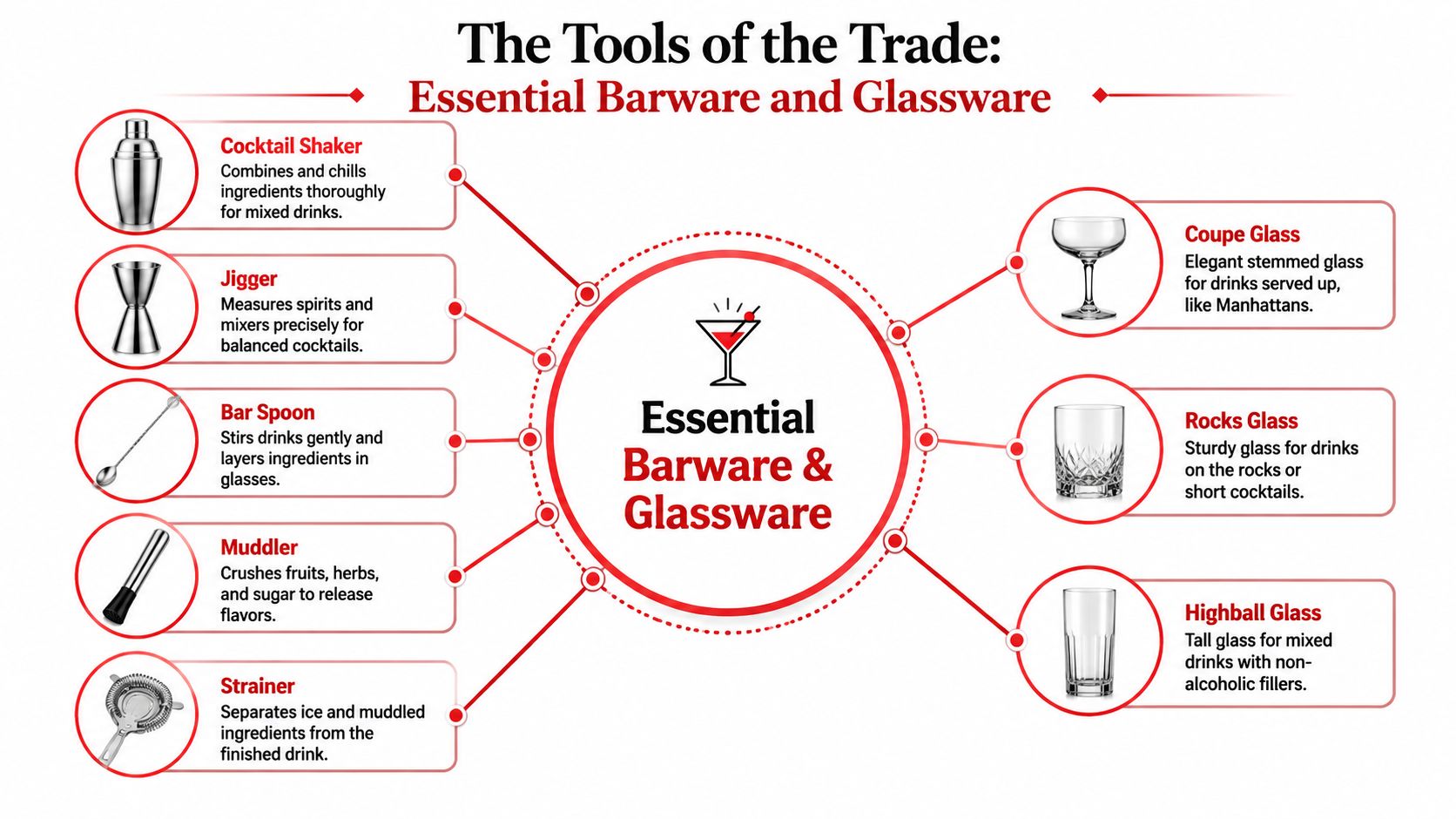
The tools worth buying first
These are the pieces I'd put on nearly every beginner cart.
- Cocktail shaker for drinks that need chilling and combining
- Jigger for accurate measuring
- Strainer for a cleaner pour
- Bar spoon for stirred drinks
- Citrus juicer for fresh lemon and lime juice
- Ice bucket or ice bowl so service doesn't require constant kitchen trips
A shaker creates the most confusion. A Cobbler shaker has a built-in top and strainer, so it feels approachable for beginners. A Boston shaker is often preferred by people who mix often, but it can feel less intuitive at first. If you're new, choose the one you'll use.
Why each tool matters
A jigger isn't about fussiness. It's about consistency. If a drink tastes balanced once, you want it to taste balanced again.
A bar spoon matters because stirring and shaking are not interchangeable. Stirring keeps some drinks smooth and clear, while shaking adds aeration and chill. A strainer saves your glass from shards of ice, citrus pulp, or muddled bits.
Glassware that covers most occasions
You don't need a cabinet full of specialty shapes. A versatile trio will take you far:
| Glass type | Best use | Why it belongs |
|---|---|---|
| Rocks glass | Short drinks and pours over ice | Stable and versatile |
| Highball glass | Tall mixed drinks | Holds spirit, mixer, and ice comfortably |
| Coupe or martini glass | Drinks served without ice | Adds elegance and keeps presentation clean |
If space is tight, begin with rocks glasses and highballs. Add coupes later if you enjoy serving drinks up.
Good glassware should support the drink first. The visual moment comes after that.
You can also keep one multipurpose tray for tools so the cart feels orderly. A small textile accent can soften all the glass and metal. For example, hemstitch cocktail napkins can sit neatly beside the ice bucket or glassware and function as both serving support and a styling element.
The Art of Arranging and Styling Your Bar Cart
The best-styled carts don't look decorated for decoration's sake. They look edited. That's the difference between a cart that photographs well and one that hosts well.
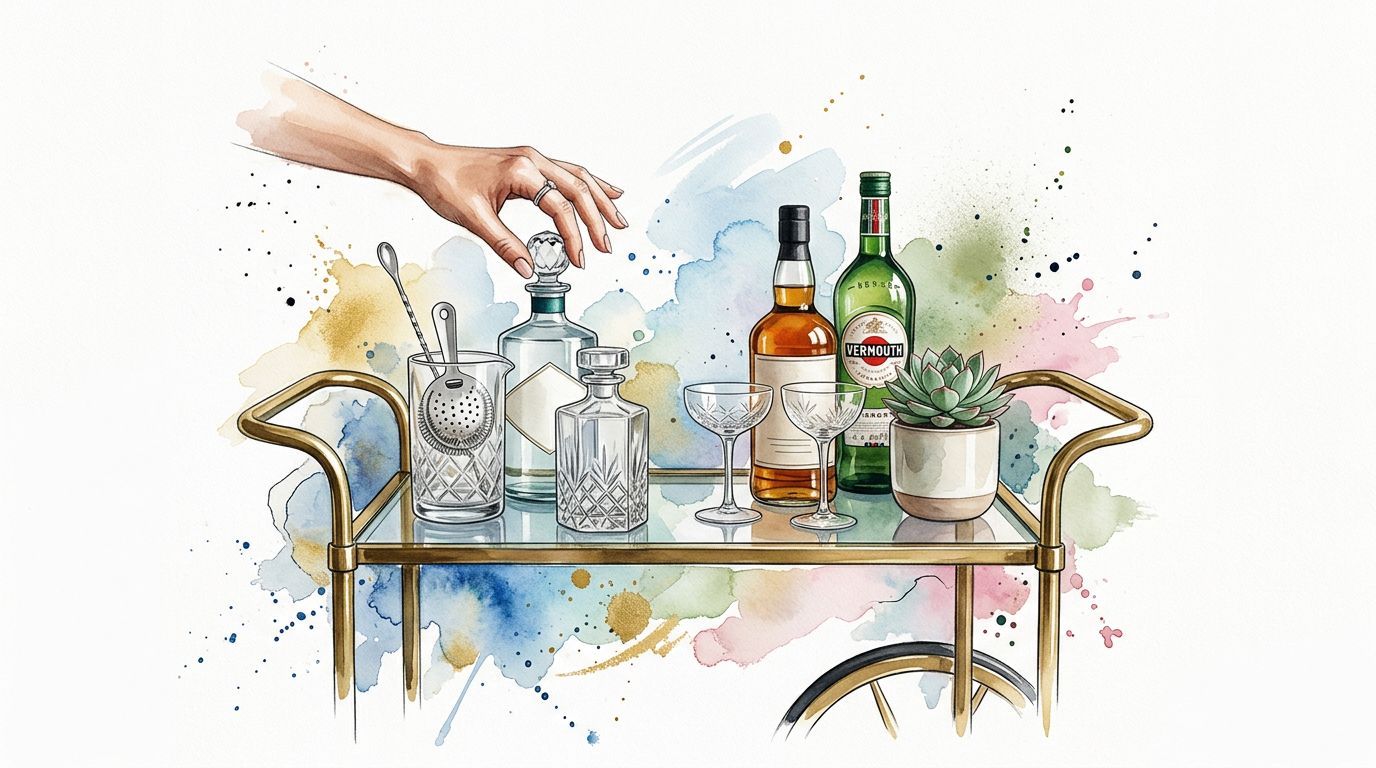
Designers often warn against overstyling, but many guides stop before giving real layout rules. That gap matters, especially because styling should adapt to different uses such as non-alcoholic entertaining or seasonal gifting, as discussed in this bar cart styling perspective.
Start with zones
Treat the cart like a tiny room. Give each category a home.
- Top shelf for service such as bottles in use, glassware, tools, and napkins
- Lower shelf for backup such as extra mixers, unopened bottles, or an ice bucket
- One container or tray to group small items like bitters, picks, and openers
This keeps the eye calm and your hands efficient.
Use height, but leave breathing room
A beautiful cart has contrast. Tall bottles at the back, lower glasses in front, and one or two medium-height accents create rhythm.
Negative space matters just as much. If every inch is covered, guests won't know where to reach, and the cart will feel crowded instead of generous.
Here's a simple styling checklist:
- Group with intention rather than lining everything in a row
- Limit decorative objects to one or two pieces
- Keep the working side open so you can mix a drink
- Use one consistent mood such as classic, playful, seasonal, or minimal
For another useful perspective on layout and flow, ROCKS' bar cart essentials guide offers practical organization ideas.
Style for the occasion
A cart for a holiday gathering shouldn't look exactly like one set for a summer brunch.
For evenings, lean into deeper bottles, coupes, candlelight, and richer garnishes like orange peel or cherries. For daytime hosting, use lighter glassware, citrus-forward ingredients, sparkling mixers, and a fresher palette.
This is also helpful if your cart doubles as a gifting moment. A wrapped bottle, a stack of cocktail napkins, and a small bowl of citrus can make the station feel ready for a hostess handoff as well as a drink service.
If you want more visual ideas for shelf order and placement, this guide on how to organize a bar cart expands on the same practical approach.
A short demonstration can make those styling choices easier to picture:
Shop the Look With Curated Starter Kits and Gifts
A guest says yes to a drink, and suddenly your bar cart has two jobs. It needs to help you serve with ease, and it needs to look considered enough to feel like part of the occasion. Many bar cart guides stop at the shopping list. The more useful question is what belongs together, what can wait, and what gives you the most range for the money. That gap comes up in this discussion of bar cart basics for constrained setups.
Curated kits solve that problem because they help you buy in layers. A good starter cart works like a capsule wardrobe. A few well-chosen pieces create more combinations than a crowded collection of random extras. That approach also fits Jolitee's gift-forward point of view. The cart can serve drinks on Friday and become a polished host gift on Saturday.
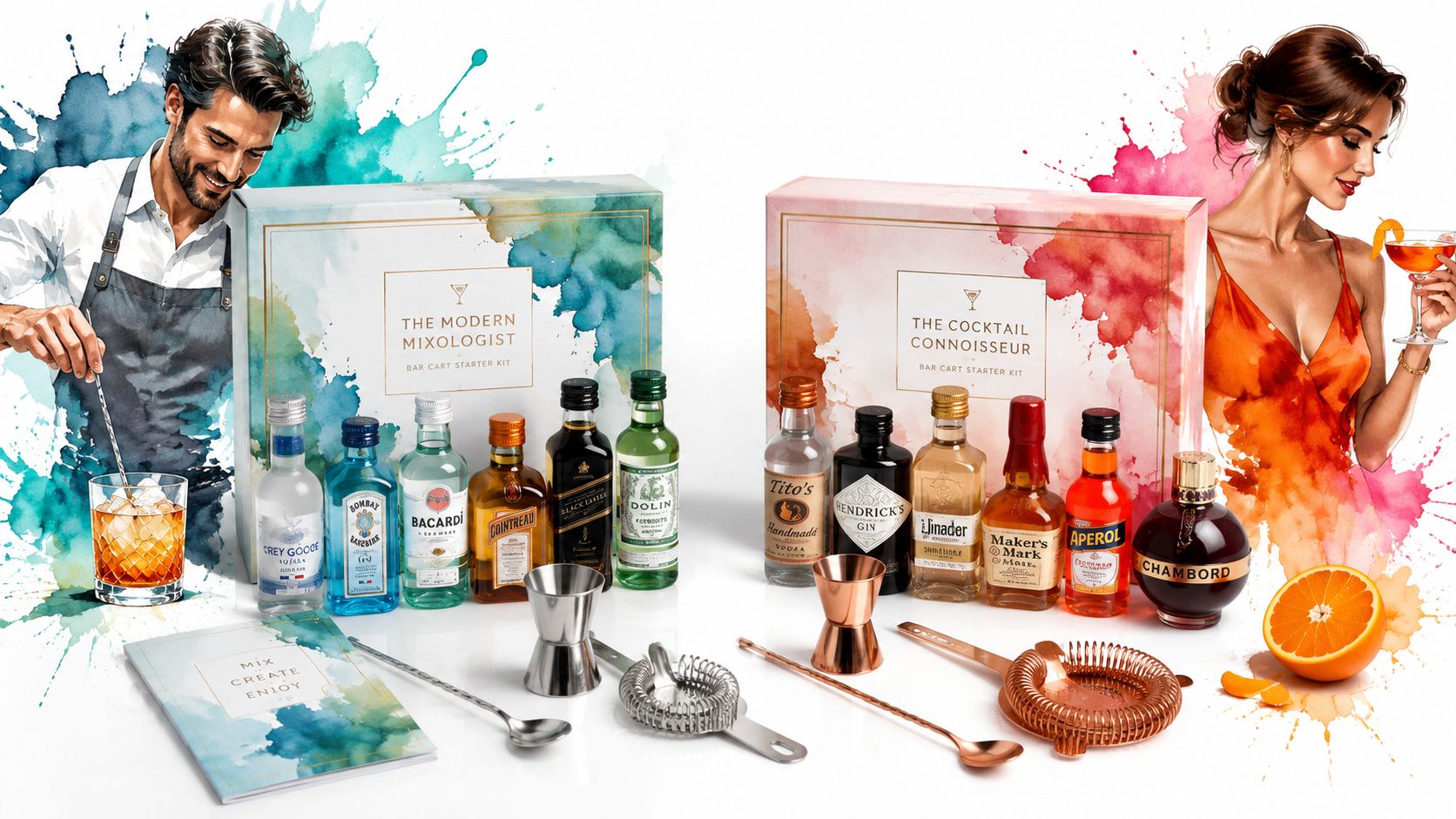
Bar Cart Starter Kits
| Item Category | The Minimalist Host | The Complete Entertainer |
|---|---|---|
| Spirits | Gin, whiskey, orange liqueur | The full six-bottle core |
| Mixers | Club soda, tonic, fresh limes | Club soda, tonic, ginger beer, bitters, citrus, simple syrup |
| Tools | Shaker, jigger, opener | Shaker, jigger, strainer, bar spoon, citrus juicer, ice bucket |
| Glassware | Rocks glasses, highballs | Rocks glasses, highballs, coupes |
| Garnishes | Limes, orange peel | Limes, lemons, oranges, olives, cocktail cherries |
| Styling extras | Small tray, simple napkins | Tray, napkins, garnish bowl, candle or plant |
| Gift-ready touch | One bottle presented in a stylish wine gift bag | A host gift pairing with bottle wrap and serving accents |
The Minimalist Host
This kit suits apartment living, first homes, or anyone who wants a cart that stays useful without feeling crowded.
Start with one clear drinking style and build around it. Maybe you are the person who always serves G and Ts. Maybe your home is more of a whiskey-after-dinner house. That single decision acts like a filter for every purchase after it. You spend less, store less, and end up with a cart that feels intentional instead of unfinished.
The Complete Entertainer
This version is for frequent hosts, bigger gatherings, or anyone who wants the cart to support more than one kind of evening. It gives you enough range to offer something bright, something spirit-forward, and something sparkling without scrambling for missing pieces.
It also makes gifting simpler. A bottle can be paired with entertaining gifts for hosts and home gatherings, then finished with practical extras that still earn their place on the cart, such as napkins or serving accents.
Thoughtful gift ideas that fit the cart
The smartest bar cart gifts do not feel separate from the setup. They should either fill a real gap or make the cart easier to use.
- For dinner party hosts: pair a bottle with a reusable bottle bag or wrap so the gift looks finished the moment it arrives
- For newlyweds or housewarmings: give glassware plus a small serving piece they will reach for often
- For seasonal hosting: refresh the cart with napkins, garnishes, and one festive bottle
A well-curated cart is less about owning more and more about choosing pieces that earn their spot. That is what makes it feel beautiful, practical, and giftable at the same time.
Simple Recipes and Maintenance to Get You Started
A bar cart starts feeling natural once you know you can make a drink or two without hunting for steps or second-guessing proportions. That confidence matters more than a long cocktail list. A well-curated cart works like a well-set table. A few reliable pieces, used often, always look better than a crowded collection you never touch.
Start with three drinks that teach different skills. One built drink, one stirred drink, and one shaken drink will give you a useful foundation fast.
Three easy drinks to practice
Gin and Tonic
- Fill a highball glass with ice.
- Add gin, then top with tonic water.
- Finish with a lime wedge.
This is the easiest lesson in balance. Good gin, cold tonic, and plenty of ice do most of the work. If you enjoy this style, this roundup of classic & modern gin serves shows how one bottle can stretch into several different drinks without making your cart feel overcrowded.
Old Fashioned
- Add whiskey, a small amount of simple syrup, and bitters to a rocks glass.
- Stir with ice until chilled.
- Garnish with orange peel.
This drink teaches restraint. A little sweetness and a few dashes of bitters should support the whiskey, not cover it. If you want to make your own sweetener, Jolitee's guide on how to make simple syrup for cocktails and more is a practical one to keep on hand.
Margarita
- Shake tequila, orange liqueur, and fresh lime juice with ice.
- Strain into a glass over fresh ice or serve up.
- Garnish with lime.
A margarita teaches freshness. Bottled shortcuts can work in a pinch, but fresh lime is what gives the drink its clean, lively edge.
Keep the cart looking ready
Maintenance is less about deep cleaning and more about rhythm. Small resets keep the cart useful and attractive, which is the core philosophy behind a good setup.
- Rinse tools right away so citrus and syrup do not dry into a sticky film
- Polish glassware regularly because fingerprints stand out quickly on open shelving
- Check mixers, ice, and garnishes before guests arrive so the cart supports the evening instead of slowing it down
- Restock after each gathering so your next pour feels easy, even on an ordinary night
Treat your cart the way a good host treats a guest room. Keep it tidy, stocked, and ready to welcome someone in. For more cocktail ideas and entertaining inspiration, browse the Eats & Sips blog.
Your Bar Cart Questions Answered
Do I need an actual bar cart to create a bar setup
No. A console table, bookshelf shelf, sideboard, or tray on a cabinet can work beautifully. The goal is to gather your bar cart essentials in one place so serving feels easy and consistent.
What should I put on a bar cart if I don't want to serve alcohol
Treat it like a beverage station. Use sparkling water, tonic, ginger beer, fresh citrus, syrups, good glassware, and garnishes. The same styling rules apply, and the result can feel just as polished.
How many bottles should I keep out at once
Keep out the bottles you use most often plus one or two that suit the current season or occasion. If the cart starts to feel crowded, move backups elsewhere.
How often should I restock
Check the cart before any planned gathering and reset it after guests leave. That simple rhythm keeps you from discovering an empty tonic bottle or missing citrus at the worst moment.
What's the most common styling mistake
Too much decor and not enough working room. If you can't comfortably place a glass down, measure a pour, and reach for garnish, the cart is overstyled.
A thoughtful bar cart makes entertaining easier, gifting more polished, and everyday hosting feel a little more special. If you're ready to add those finishing touches, explore Jolitee for giftable entertaining pieces that fit beautifully into a well-curated home.